History

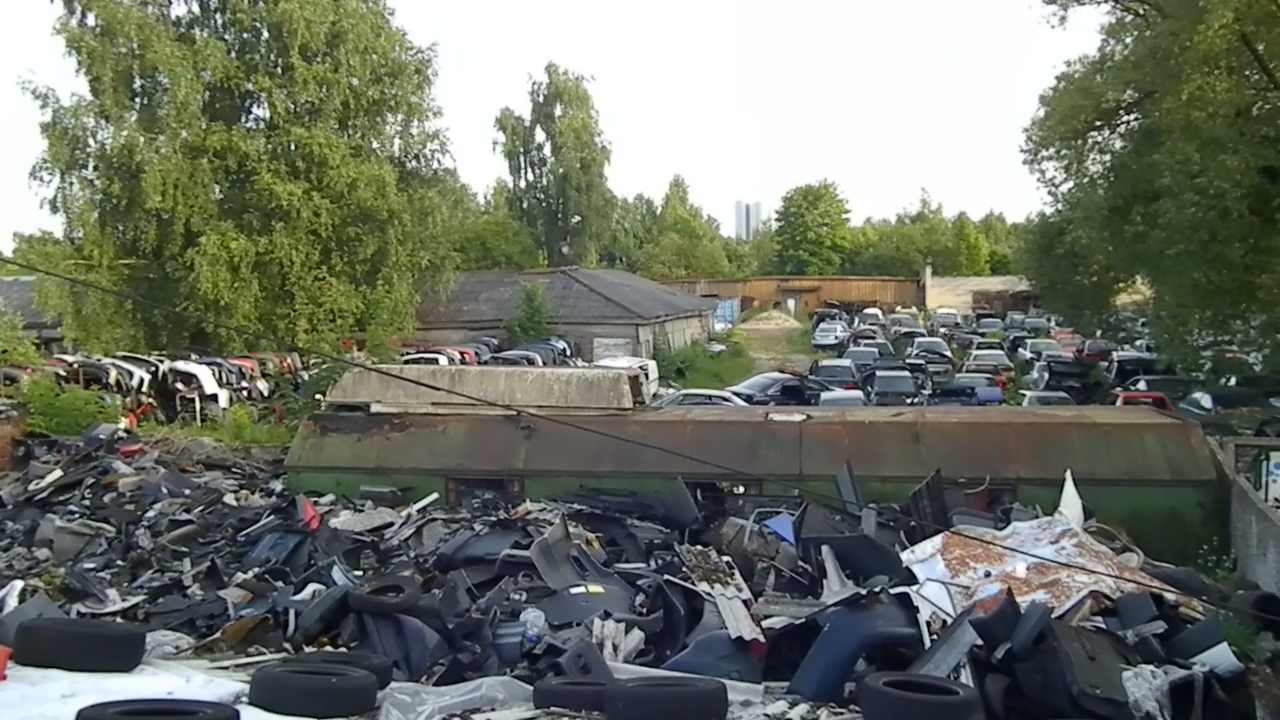
Ķīpsala is a 2 km² island in the geographic centre of Rīga, across the bridge from the old town. Historically the island’s inhabitants practiced farming, fishing, and various port and industrial activities. Today there is a technical university, a bank headquarters, a generic shopping mall and a conference centre at one end, some of Latvia’s most expensive real estate in between, and on the far end of the island there are degraded industrial wastelands.
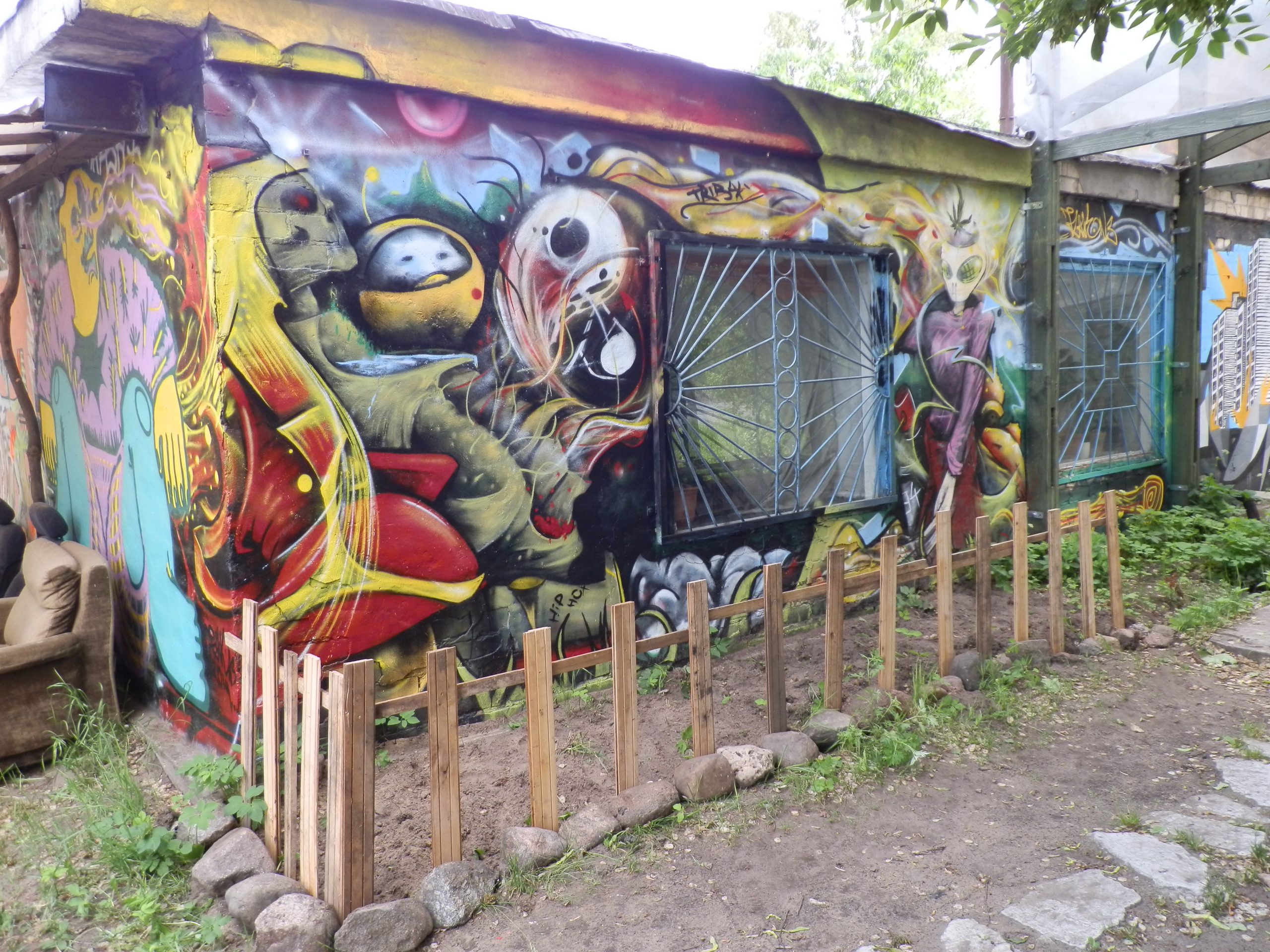
Fukušima is located on a working automobile scrap yard, where a narrow stretch of riverside has been reclaimed from industrial ruins. In the 1960s the current sauna building hosted a metalworks, then was repurposed into a banja (sauna) for the auto workers in the 1990s. The site was occasionally rented out for small gatherings and celebrations, but generally fell into disrepair.
Fukušima began in 2016 as a noncommercial side project, and developed through organic peer networks. The site is maintained by a few volunteer caretakers and seasonal helpers.
The literal translation of Fukušima from Japanese is ”Island of Good Fortune”, which also nicely describes Ķīpsala. At the dawn of the project, the site certainly had some resemblance to its namesake, with tangled botanical limbs creeping through rusted cars and rubble.
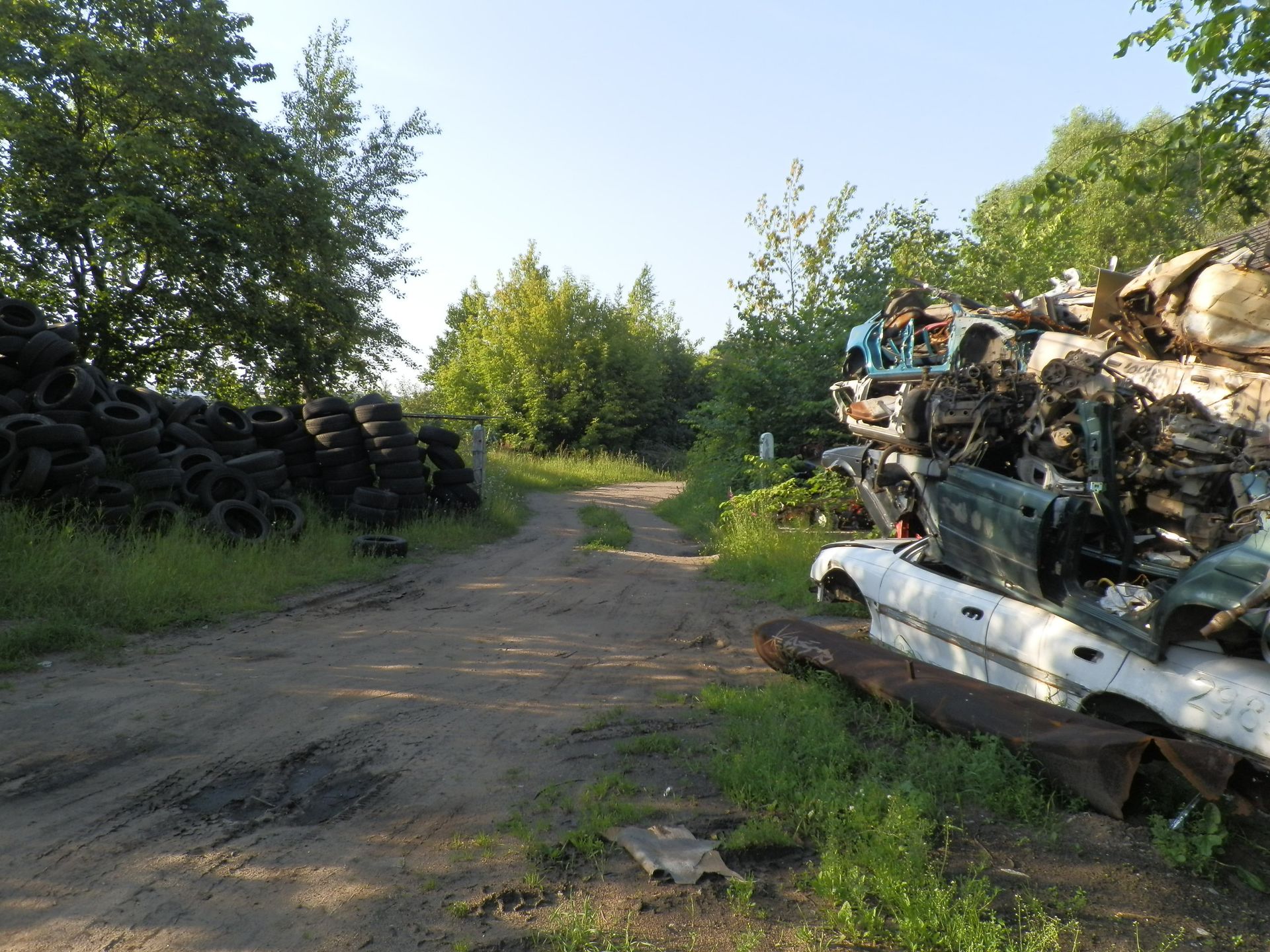
The surface soil had been compacted under a tsunami of plastic, metal, glass, coal, automotive chemicals, and asbestos roofing. Its condition symbolized the disregard for nature that is pervasive to modern civilization. The name represents a challenge: to learn the skills necessary to repair the damage humans have inflicted over generations of industrialism. It reflects the resilience and hope required to reclaim uninhabitable “wastelands” – to help nature heal itself.
The motivating premise behind Fukušima is that anyone can contribute to the restoration and rejuvenation of degraded environments. In fact, it is our obligation, as part of a wider shift towards living with respect for all forms of life. These days it is fashionable to speak about “sustainability”. In addition to material considerations, culture is also a key aspect of any claim to sustainability. This requires mobilization at the grassroots level. We invite all of our visitors and supporters to take individual responsibility and collective action, instead of waiting for insincere commercial interests and obsolete institutions to mend the harms they created.