
Ecosystem restoration
Fukušima is typically known as a place for events, but most of our resources are actually dedicated to improving the local environment. Visitors enjoy the results of these efforts, but very few people get involved to make it happen. These are not intrinsically profitable activities, and we have no consistent support from any environmental NGOs or ministries. In 2025 the association “Fukušima” was founded, to formalize our core activities and seek official collaborations with allied organizations.
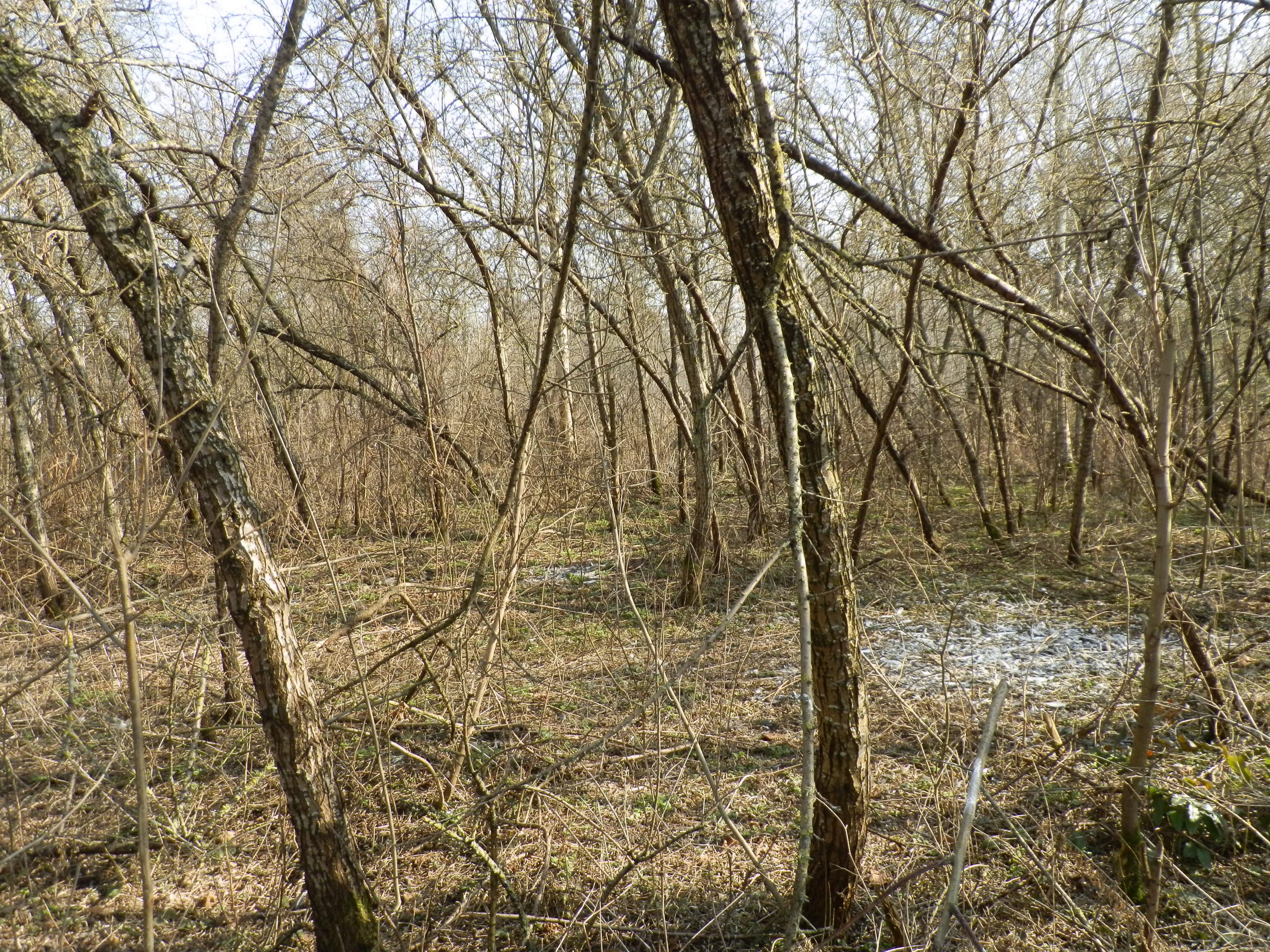
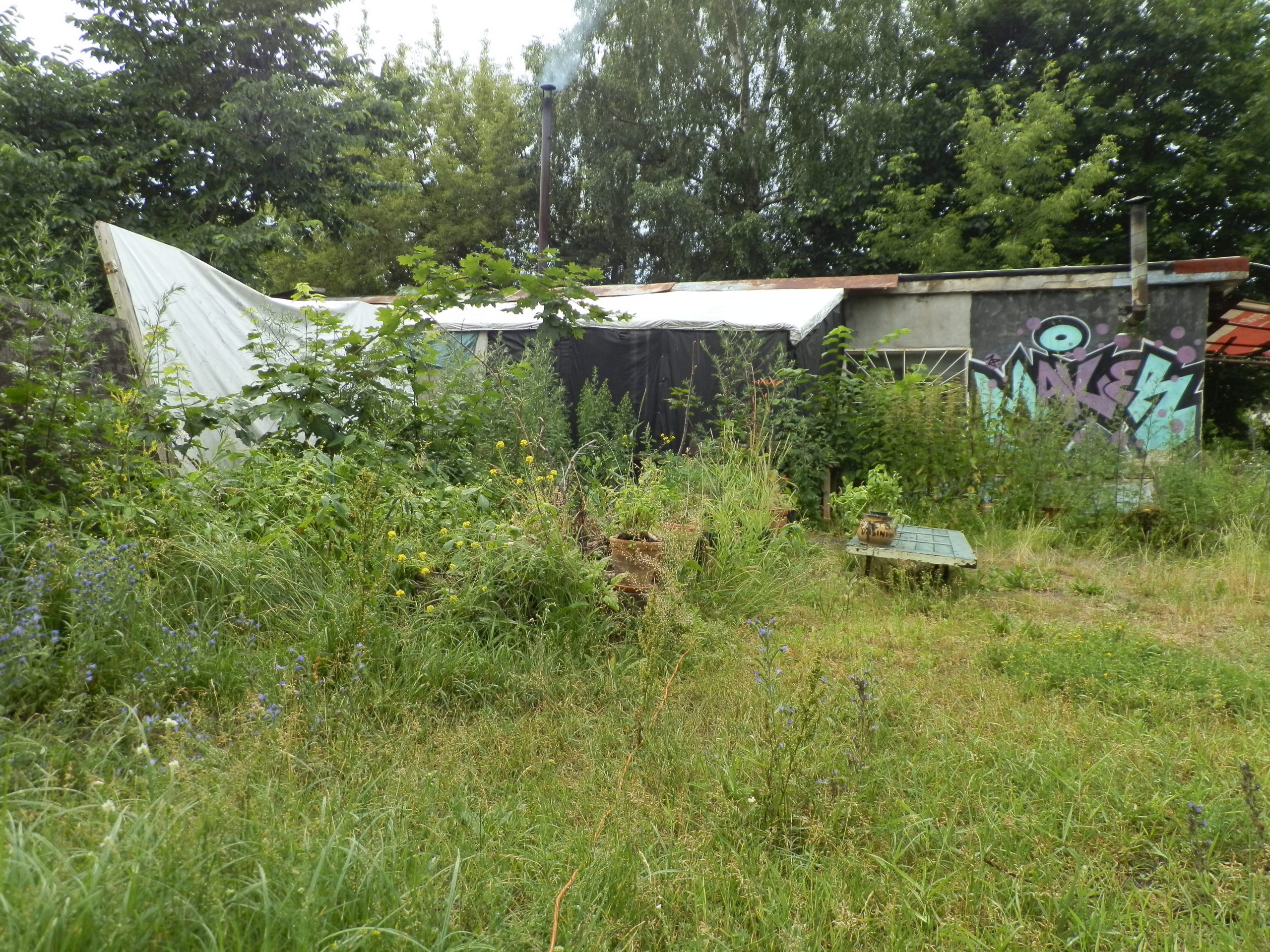
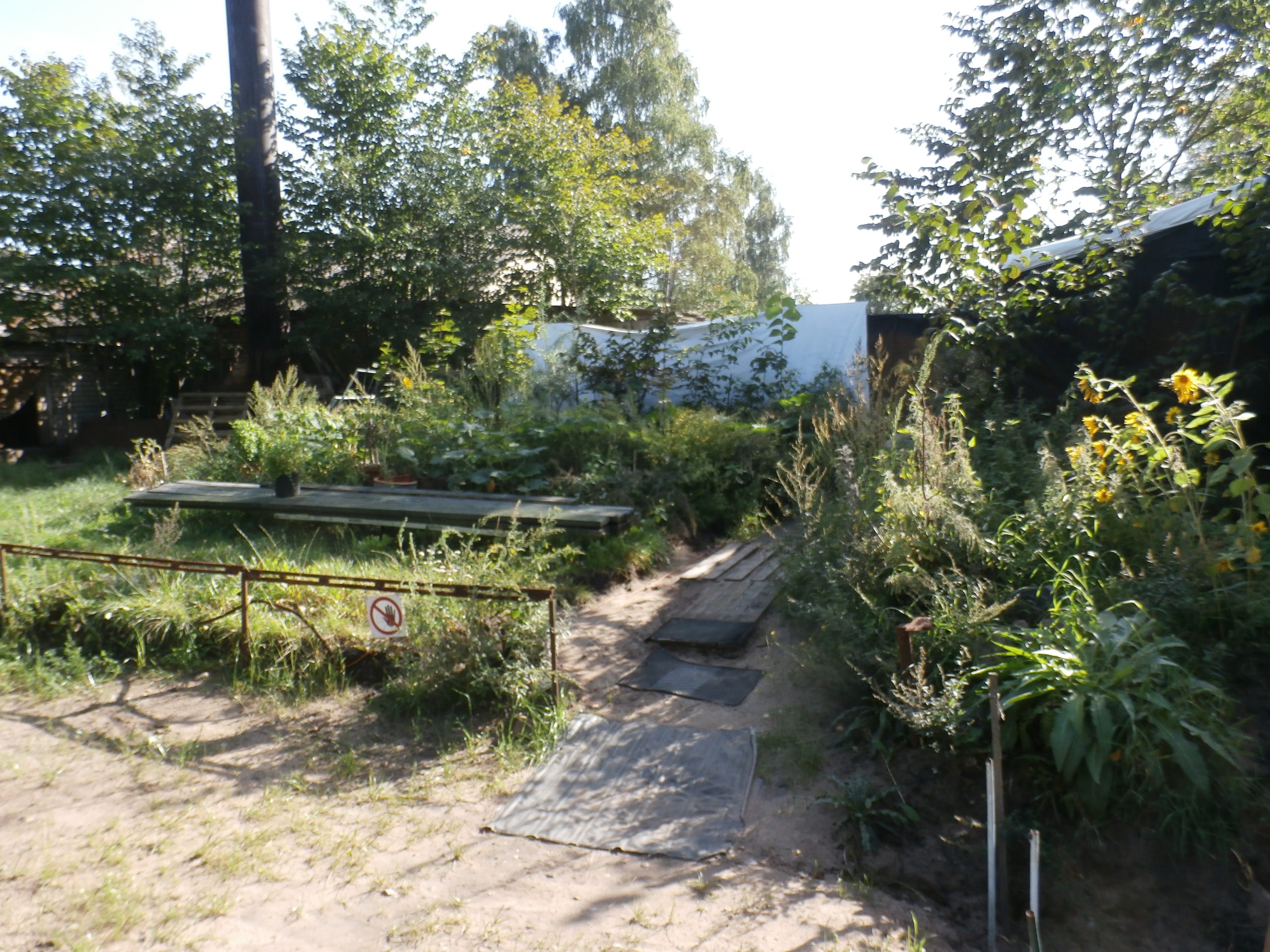
Despite its location in the centre of a European capital, the far end of the island remains relatively undisturbed by any daily human interference. Each year brings more evidence of an ecosystem in recovery. Some species are rare or protected in Latvia, so all observations are submitted to the crowdsourced wildlife database DabasDati.lv. Half of the land area available to us is dedicated exclusively to nonhuman use; visitor facilities are constantly analyzed and upgraded in order to minimize their literal and ecological footprints.
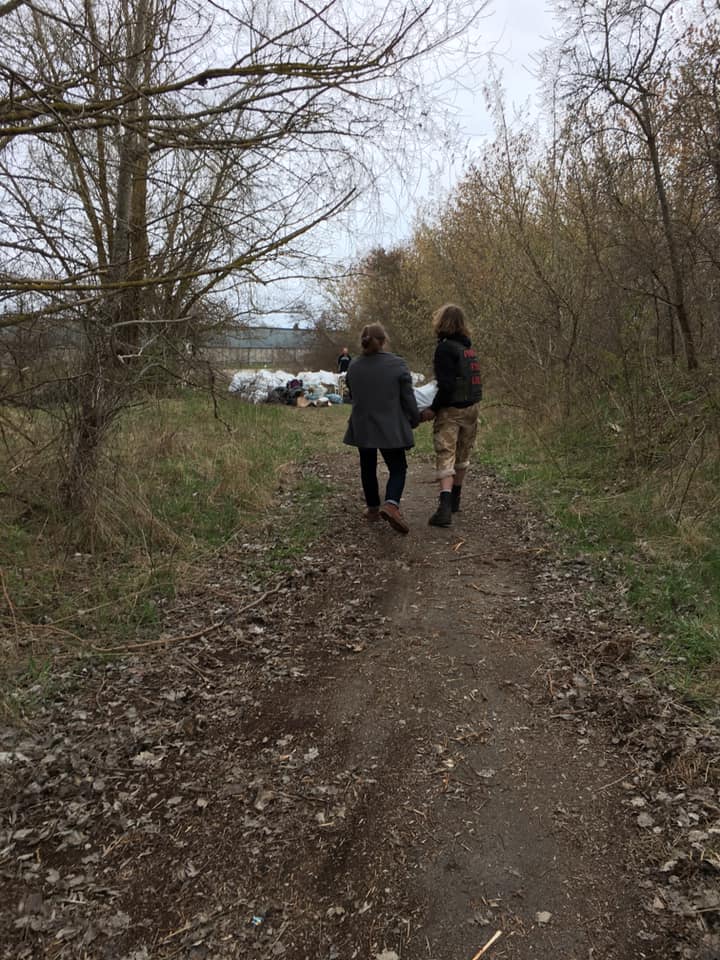
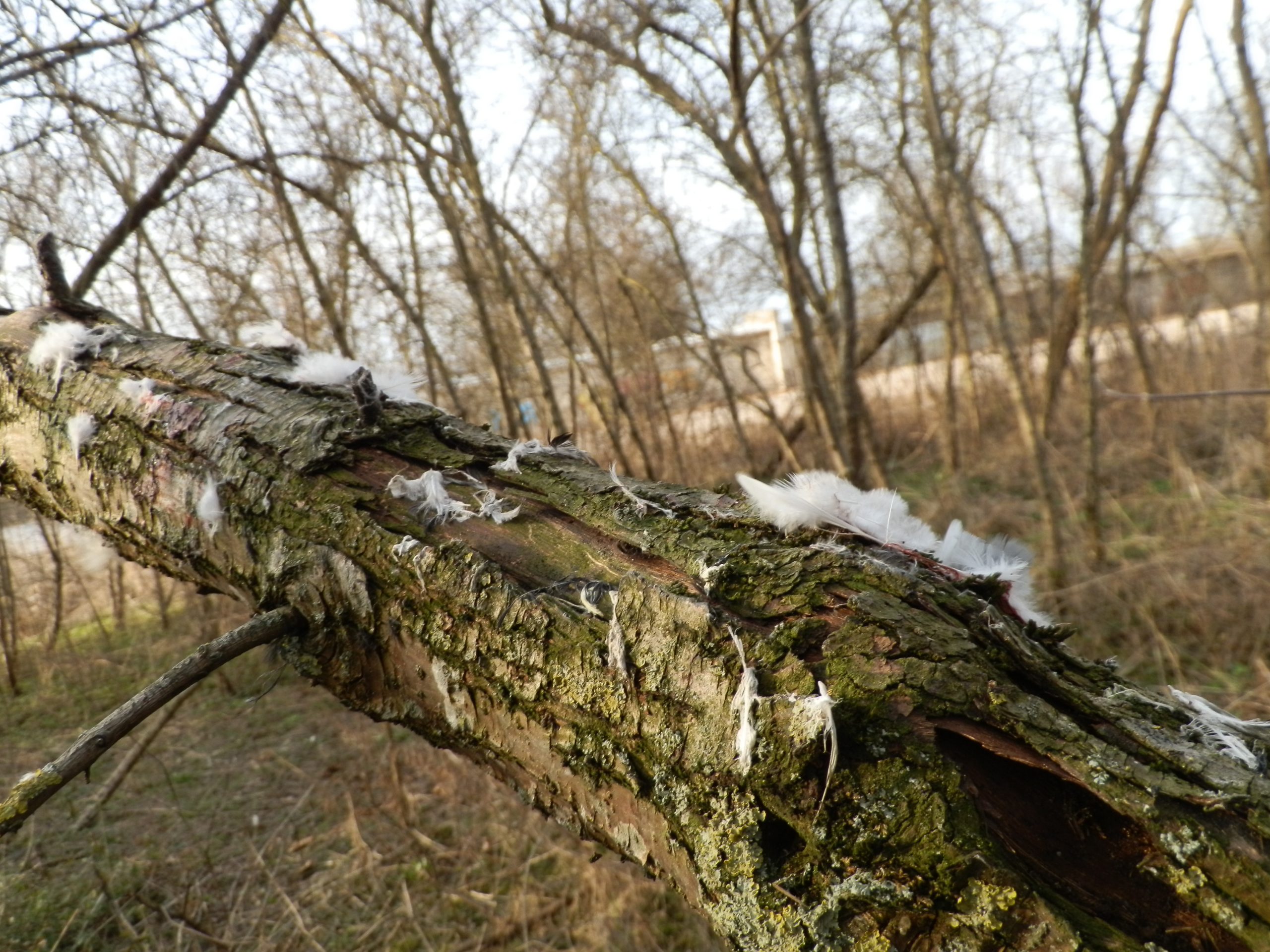
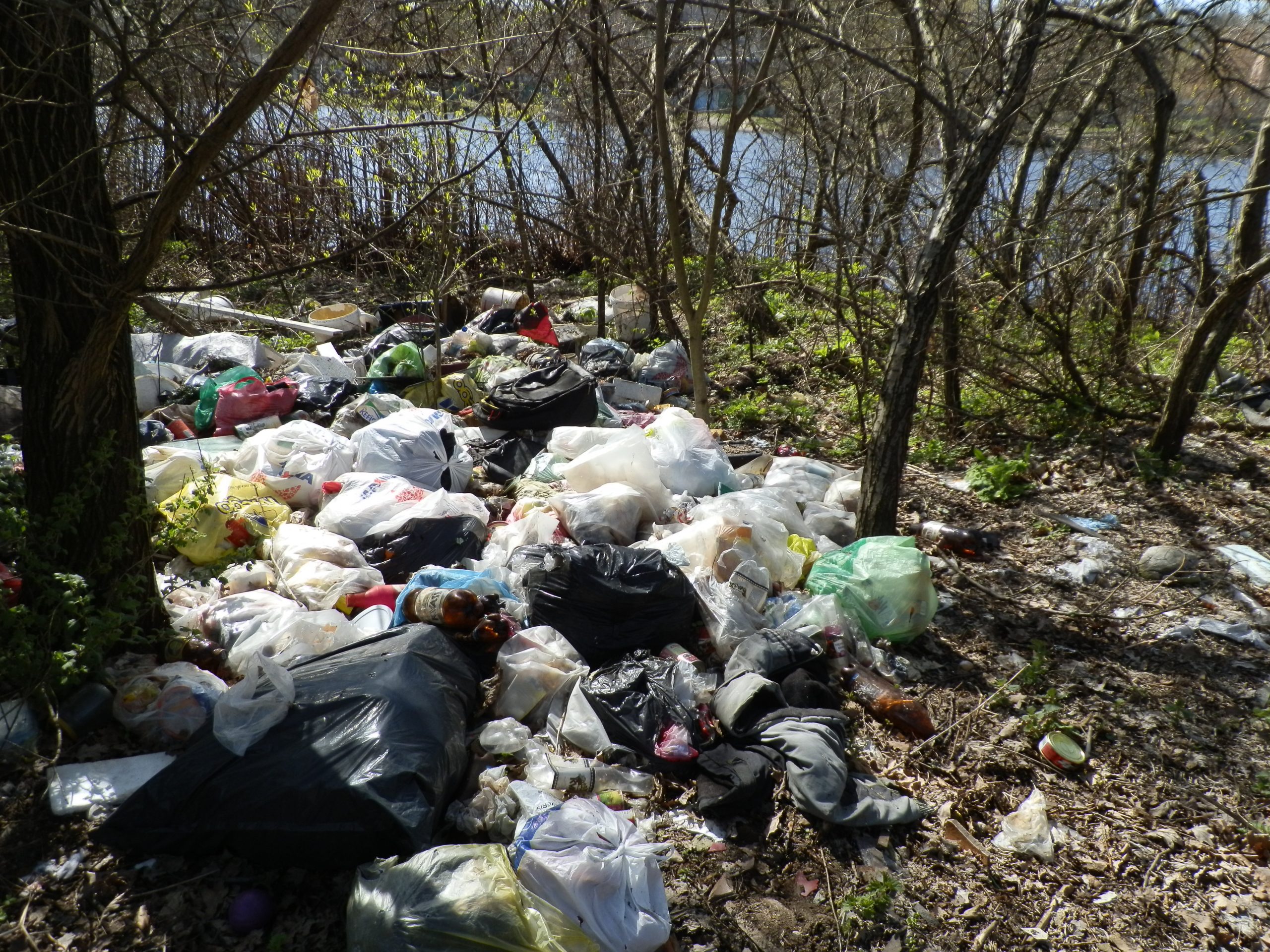
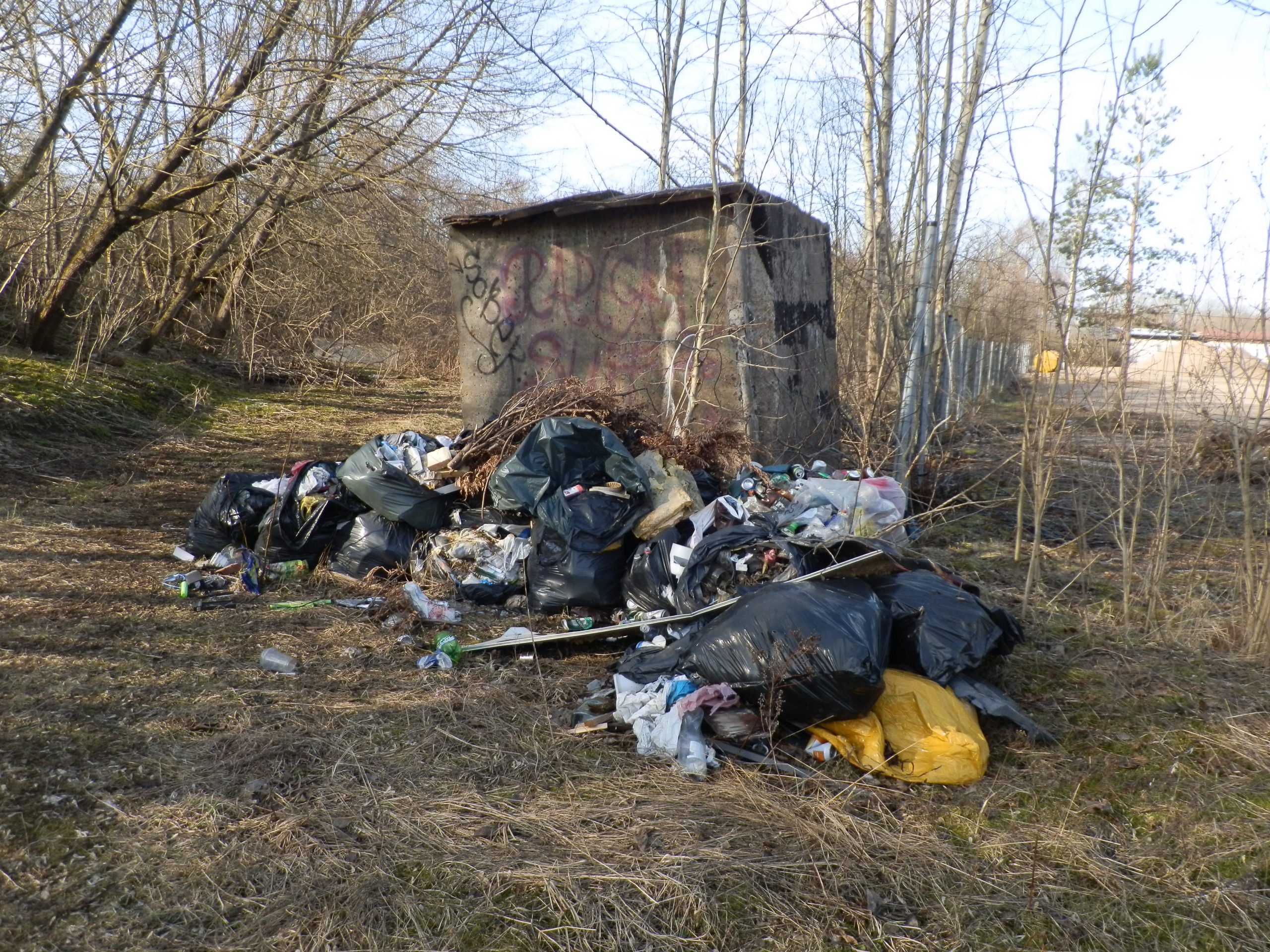
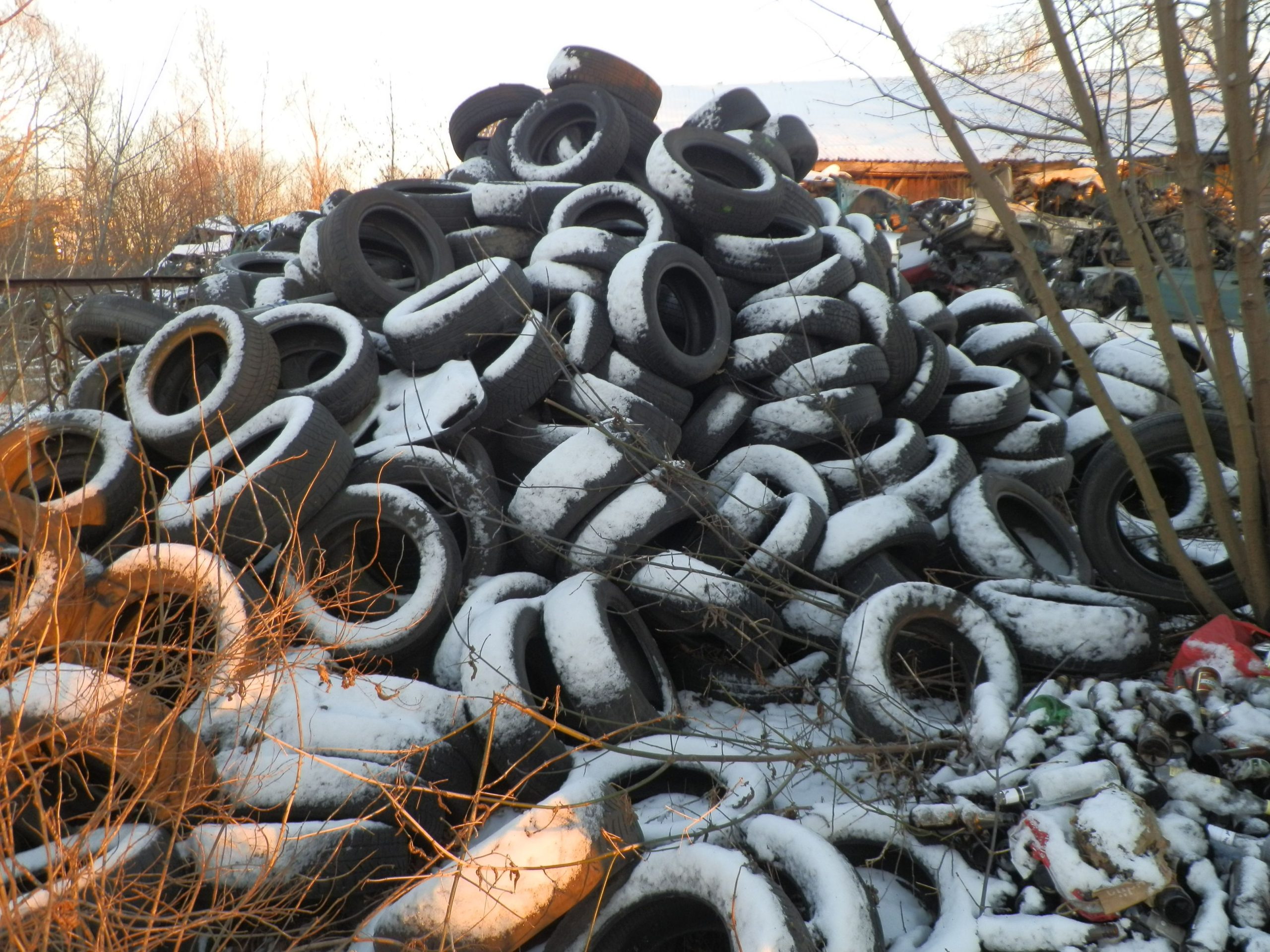
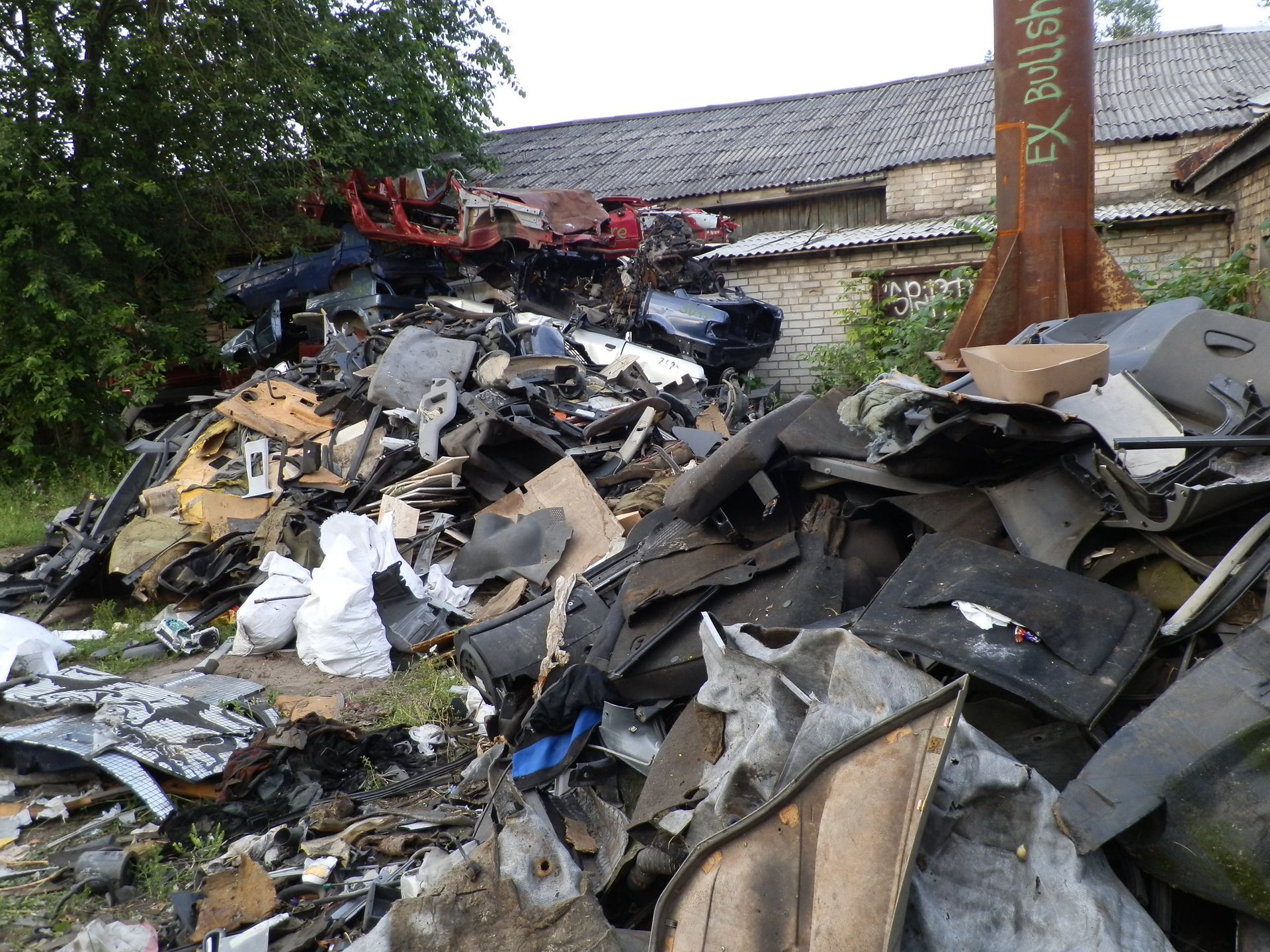
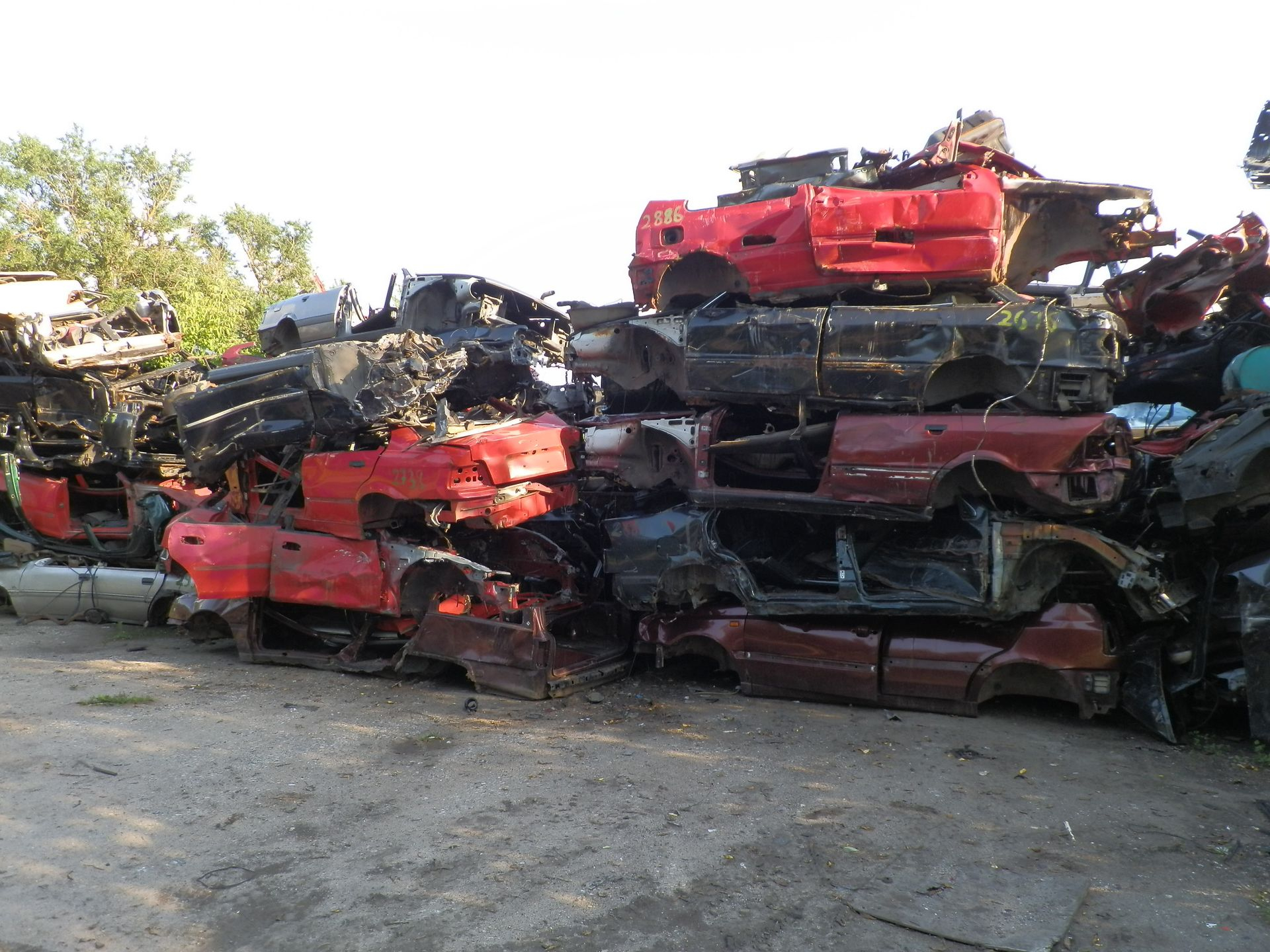
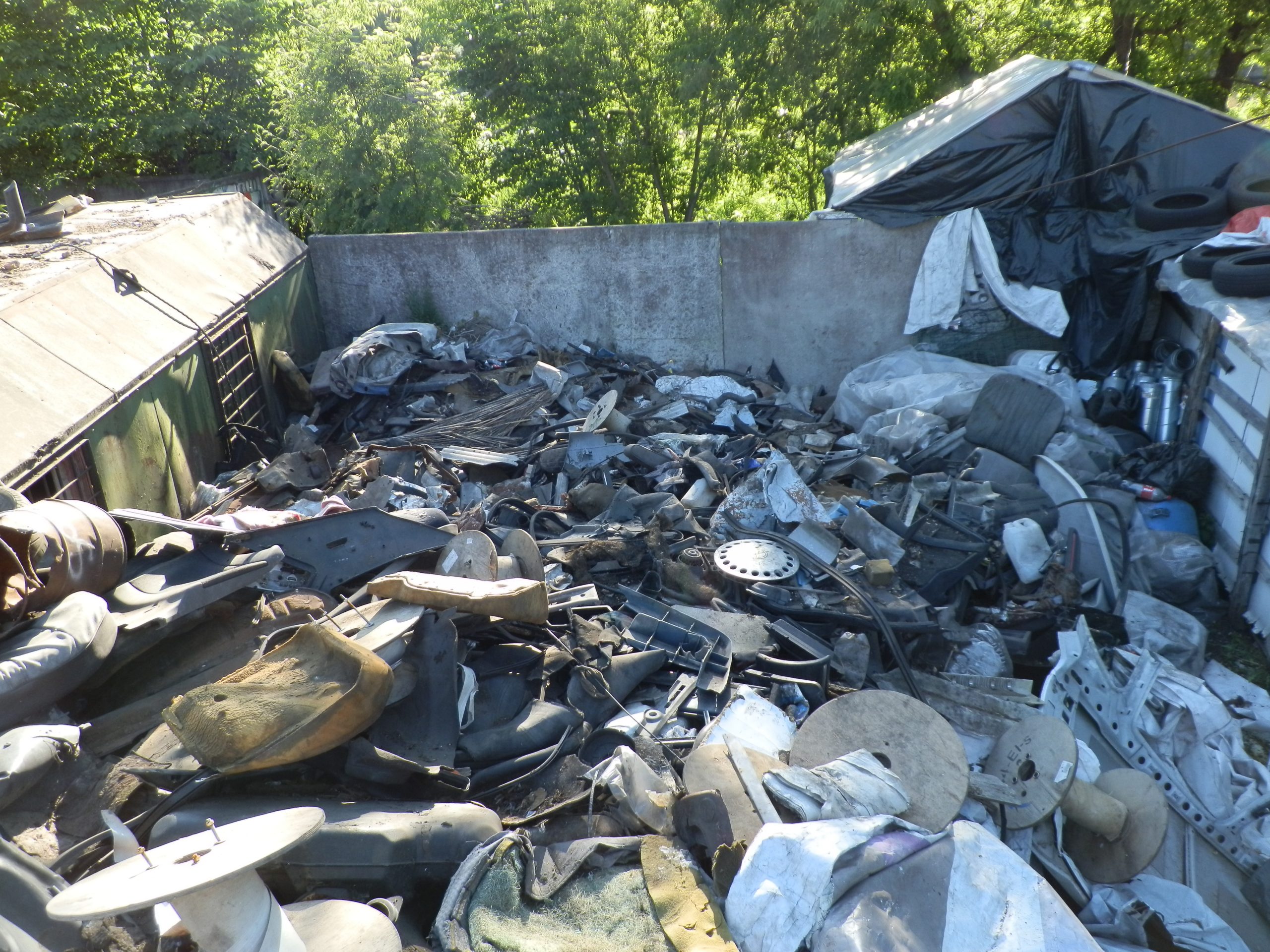
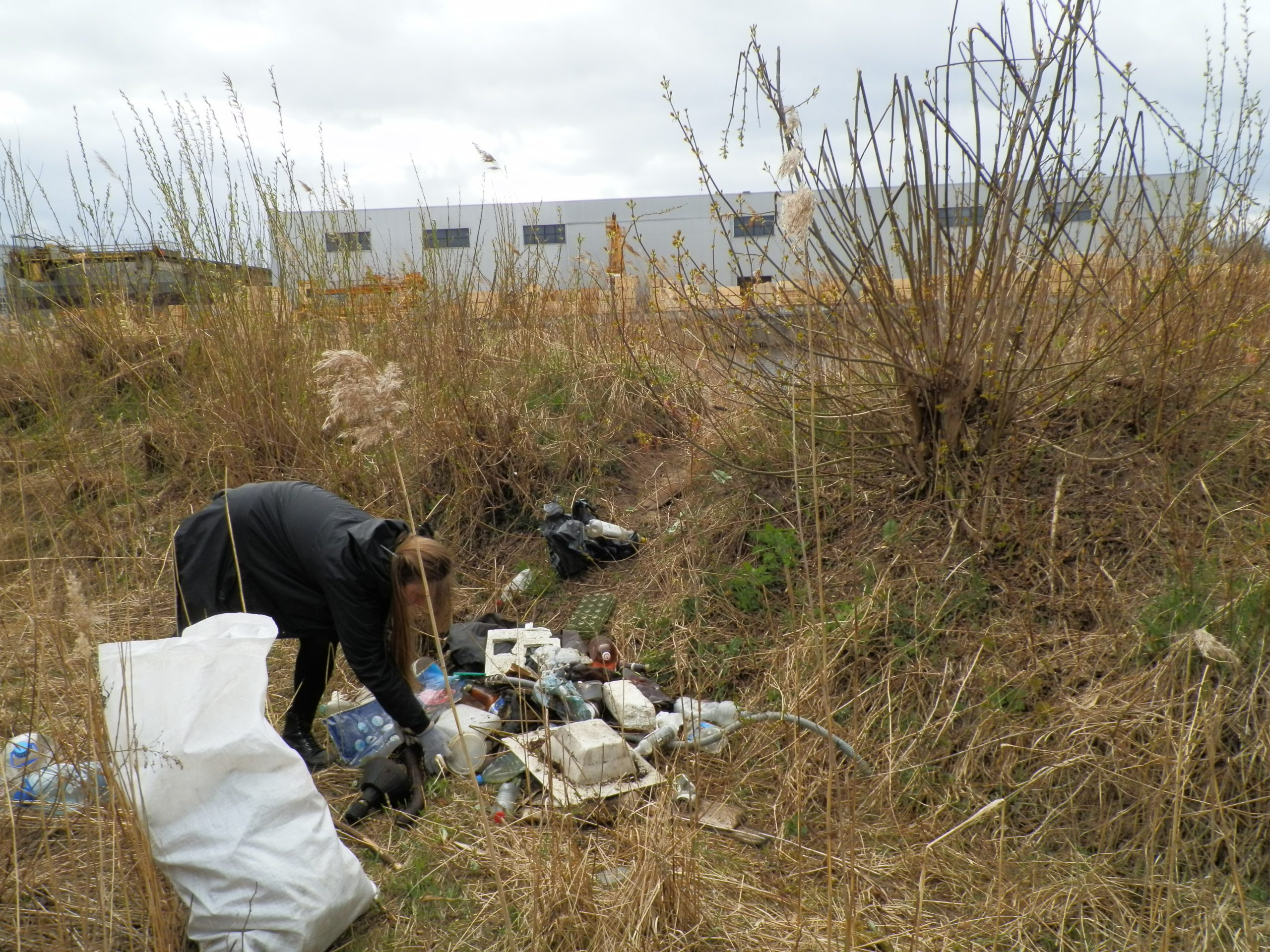
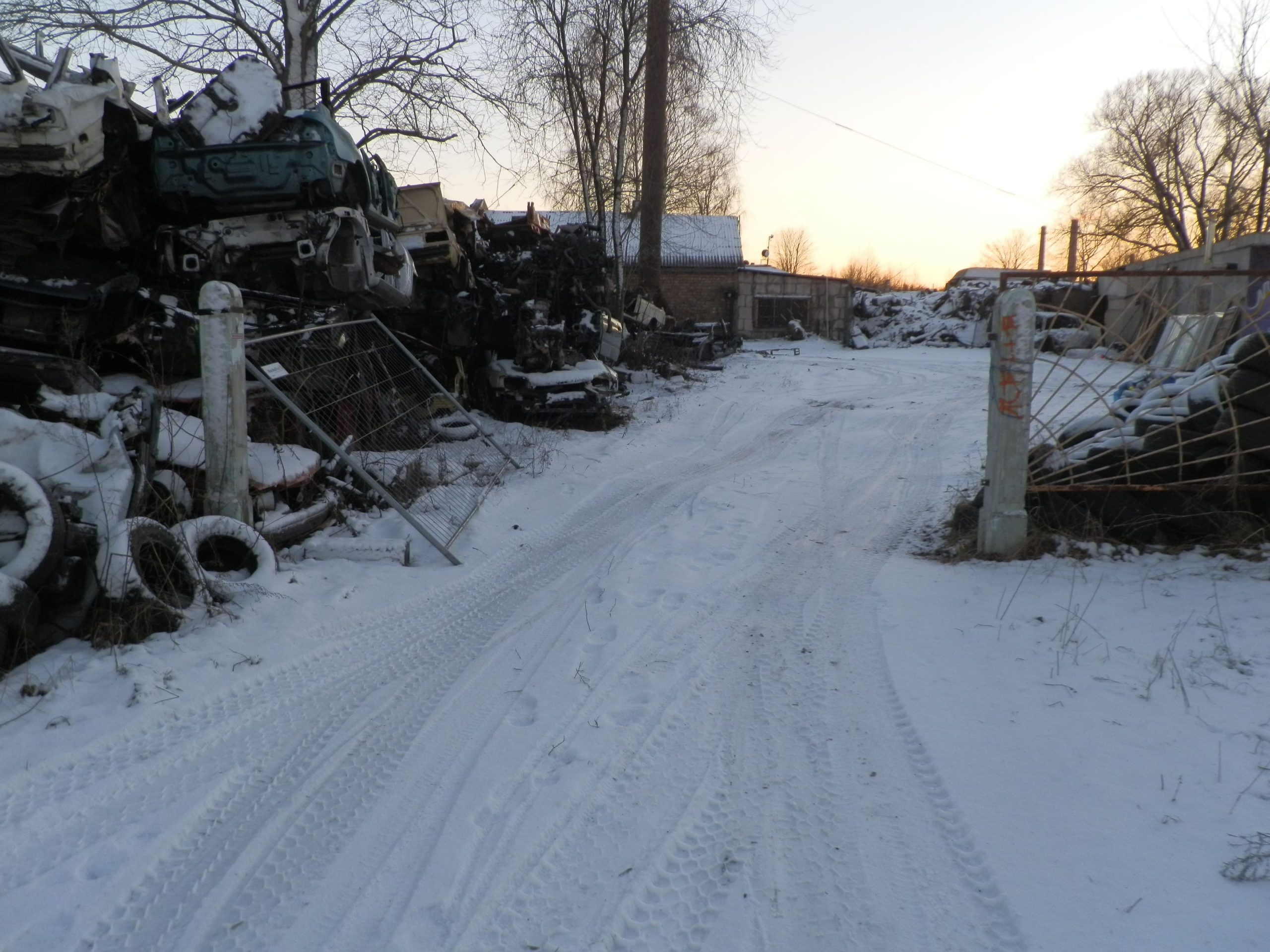
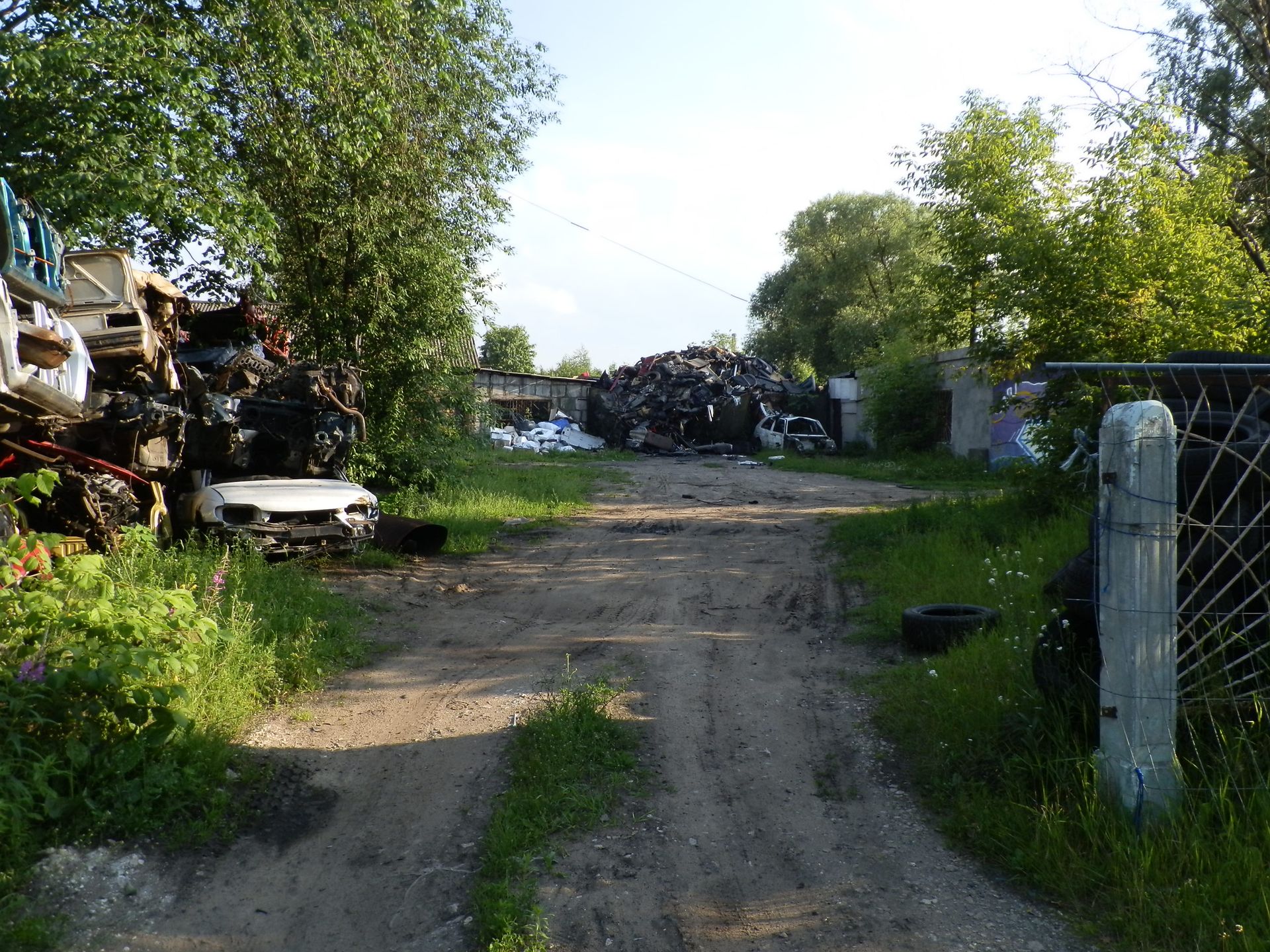
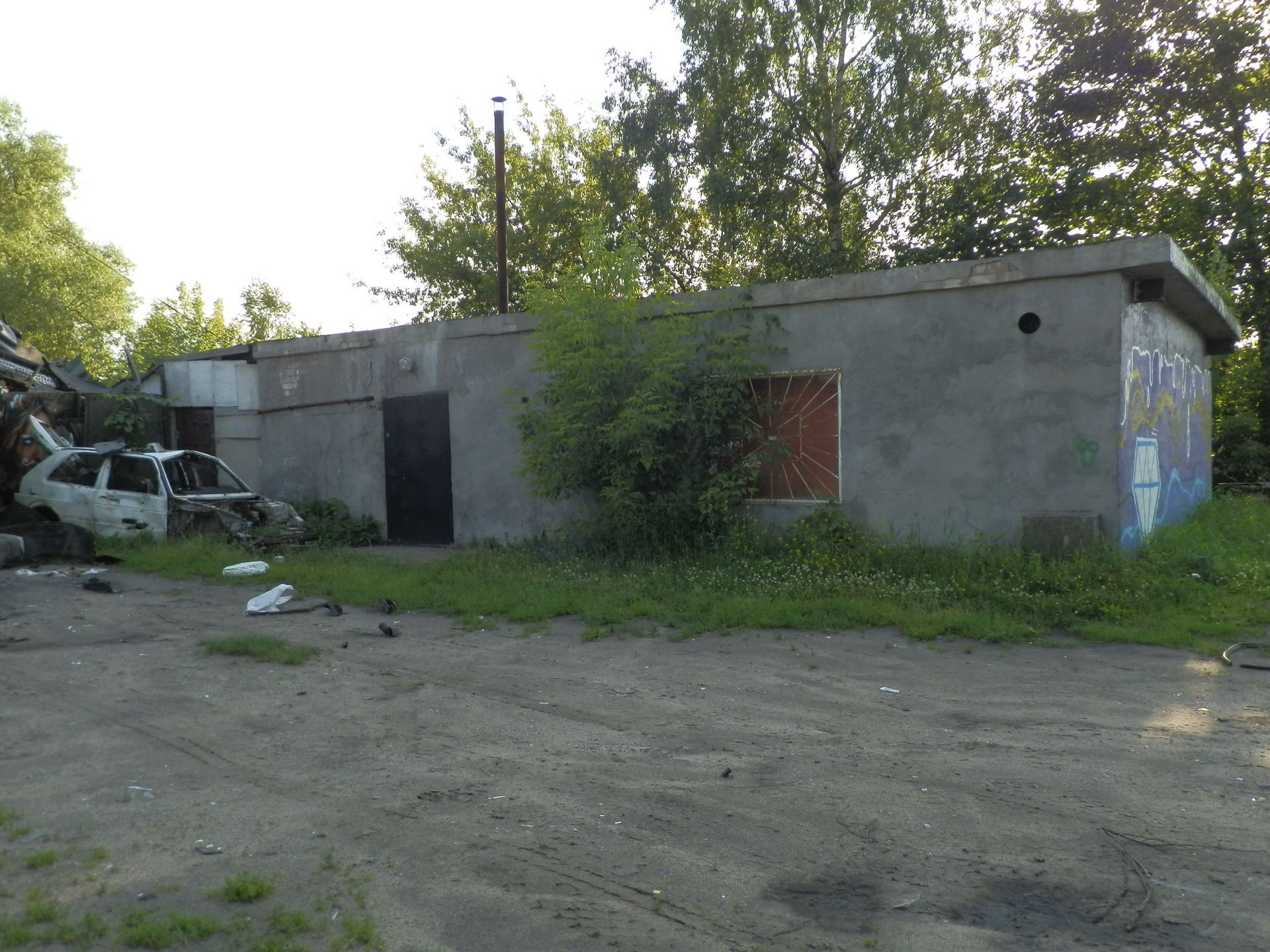
Several waste disposal, soil remediation and clean air initiatives have been accomplished in cooperation with our neighbors. So far the soil has been freed from more than 200m3 of contamination and unnatural objects, that were either recycled or delivered to official waste processing facilities. Some of the constructive interventions applied at Fukušima include:
– Birdhouses
– Designated rewilding sites
– Distributing or composting restaurant food waste
– Deadhedges
– Protecting old trees from beavers
– Tree planting & invasive species removal
– Riverbank erosion mitigation
– Registration of endangered species observations
– Reporting environmental crimes (trash burning, waste dumping on a weekly basis)
Our approach is known as grassroots bioremediation, associated with the Earth Repair and Radical Mycology movements. Its aim is to decentralize environmental remediation methods that are sustainable, practical and accessible to most people. Ideally, Fukušima should be a laboratory to develop localized, open source and community-led ecosystem restoration practices, to assess the risks of restoring Latvia’s degraded sites, and educate others.
We reject the escapist trend associated with some strands of permaculture, which presumes there is still “unpolluted” land to claim, and leaves the problem of wastelands for future generations to deal with. In truth, there is no place on the planet that has not been affected by human contamination. We understand that evolution is reasonably well equipped to deal with any contaminants found in nature, on the scale of geological time. But our generation must fill gaps in the scientific knowledge regarding novel contaminants, such as microplastics and ”forever chemicals”, that have never been introduced into any living system.
The condition of our site raises pertinent questions about informed consent in this global biochemistry experiment. The river our guests swim in, Daugava, has levels of PFAS that are twice the limit considered safe for humans. Other toxins are certainly present in the soil at greater or lesser concentrations. Fukušima encourages citizen science as an effective tool to encourage government accountability, informed policy, biodiversity conservation, and ecological literacy.
In 2022 the United Nations passed a resolution declaring that a clean, healthy and sustainable environment is a fundamental human right. In November 2025, the EU published the Soil Monitoring Law, a directive that requires all soils in Europe to be restored to healthy conditions by 2050. Contaminated sites such as Fukušima can receive support for the implementation of remediation projects. According to the European Commission, ”Every 1 euro invested into nature restoration adds €4 to €38 in benefits.”
In Europe, 81% of habitats are in degraded condition. About 2,8 million sites are recognized as potentially contaminated. 650,000 of these have been confirmed as requiring remediation, but only 15% of these have commenced rehabilitation.There is an urgent need to develop replicable and affordable best practices of ecological restoration, to complement the political strategy of holding major polluters and decision makers accountable for ecocide.
Latvia is committed to the United Nations and European Union 30×30 biodiversity goals, to protect 30% of its territory by the year 2030. The EU Biodiversity Strategy demands that biodiversity loss must be reversed and ecosystems must be restored. All cities with populations above 20,000 must implement Urban Greening Plans, that integrate biodiversity into city planning. By 2030 there must be no net loss of tree cover or biodiversity in urban spaces, with gradual increases into the future. These regulations are legally binding. However, Latvia’s proportion of protected territories is still below the EU average. In order to fulfill these promises, Latvia must act to preserve intact, mature ecosystems like Fukušima and its surroundings. Our immediate neighborhood includes all of the biologically valuable “Habitats of the Year” designated by the Latvian Fund for Nature since 2015.
Through this campaign, we aim to secure permanent rights to engage in activities that heal our environment. Habitat restoration projects operate on a timeframe of years or decades, and the long-term insecurity of uncertain tenancy is the main obstacle to implementing solutions at the appropriate scale. Our future goals in this direction include local renewable energy generation, improving the energy efficiency of our buildings, sustainable design for our guest facilities, collaborations with students of environmental sciences, methodological testing and analysis of contamination on the site, efficient and closed-loop urban organic food production, local biodiversity surveys, and participation in nature conservation projects.
Reference links:
1. https://www.undp.org/sites/g/files/zskgke326/files/2023-01/UNDP-UNEP-UNHCHR-What-is-the-Right-to-a-Healthy-Environment.pdf
2. https://eustafor.eu/eu-publishes-directive-on-soil-monitoring-and-resilience/
3. https://environment.ec.europa.eu/topics/nature-and-biodiversity/nature-restoration-regulation_en
4. https://lifemysoil.eu/about/
5. https://www.cbd.int/gbf/targets/3
6. https://environment.ec.europa.eu/topics/nature-and-biodiversity/nature-restoration-regulation_en#targets and https://dopa.jrc.ec.europa.eu/kcbd/actions-tracker/#COHERENT%20NETWORK%20OF%20PROTECTED%20AREAS
7. https://gceurope.org/wp-content/uploads/2024/11/Biodiverse-Cities.pdf and https://greentogrey.eu/
8. https://www.lsm.lv/raksts/zinas/latvija/06.04.2023-bailes-no-kokrupniekiem-varam-vilcinas-aizsargat-jaunas-dabas-platibas.a503787/ - also https://www.eea.europa.eu/en/europe-environment-2025/countries/latvia/terrestrial-protected-areas and https://eng.lsm.lv/article/society/environment/latvia-below-eu-average-on-protected-nature-areas.a458044/ and https://eng.lsm.lv/article/society/environment/11.04.2023-latvia-could-face-eu-censure-over-failure-to-protect-black-alder-trees.a504380/
9.https://ldf.lv/gada-dzivotne/
FUKUŠIMA & RĪGA’S CITY GREENING PLAN
The draft plan is available in Latvian at: https://www.riga.lv/lv/node/117752
Public feedback is accepted until 31.7.2026
Quotes from the plan are in italics
Rīga’s city greening plan is based on mutually reinforcing and legally binding environmental directives at the municipal, national, European and international level, including those mentioned in the previous section. Urban green zones are a critical component of sequestering carbon and ensuring that Latvia achieves its climate neutrality and biodiversity obligations. The plan provides a vision for ensuring climate resilience through nature-based solutions.
Fukušima regularly experiences climate and habitat destabilization that will only intensify in the future – heavy winds that knock down trees, floods that erode the riverbanks and scatter plastic litter, green algae scum closing our swimming area due to eutrophication from agricultural runoff and raw sewage, PFAS contamination in the Daugava, increased rainfall and lightning storms cancelling events, droughts that dry out the soil, invasive species outcompeting local biodiversity, winters without ice on the river, and plants observed flowering earlier each year.
“Compared to 31 European capitals, Riga and four other European capitals stand out as having the highest mortality burden due to uneven green infrastructure coverage” (Barboza et al., 2021). Riga also has the lowest share of green infrastructure among the 3 Baltic capital cities.
“Riga is already facing the consequences of climate change, including rising air temperatures, more frequent heat waves and more intense precipitation, which increases the risks of both heat islands and floods, especially in densely built-up areas. At the same time, the city has an uneven distribution of green infrastructure – it is more concentrated in the periphery, while it is lacking in many central neighbourhoods. Although Riga still has a significant amount of green areas that provide essential ecosystem services, their total amount has decreased over time and is under threat in many places.”
“Connected, high-quality and multifunctional green infrastructure is lacking where the majority of the city’s residents live. The volume and quality of green infrastructure in densely built-up areas are not suitable for addressing today’s climate and health challenges. Green infrastructure is a component of the city that plays a significant role in the sustainable development of the city and affects the quality of life and health of the city’s residents. Green infrastructure provides a range of ecosystem services – it regulates the microclimate, promotes adaptation to climate change and mitigates the impact of climate change risks, preserves and promotes biodiversity, cleans the air, dampens sound, absorbs carbon, improves people’s physical and mental health, and increases the value of real estate. The sustainable development of Latvia and Riga, as well as the long-term goals set at the national and municipal levels, envisage a systematic and extensive development of green infrastructure.”
Nature-based solutions characteristically have high up-front costs, but low maintenance costs once they are established. By contrast, standard industrial methods may have cheaper implementation costs, but cumulative externalized social and environmental costs. Support for the city Greening Plan is expected to be provided by national and European institutions, as well as the private sector. ”According to the European Commission’s proposal for a multiannual European budget presented in July 2025, it is proposed to allocate 35% of the total budget, or more than 700 billion, to climate and environmental objectives, which will, among other things, support climate adaptation and resilience measures.”
The following points in the city’s action plan particularly apply to Fukušima’s immediate vicinity:
2. Greening public spaces
- Kipsala is identified as one of the 9 neighborhoods with insufficient access to green infrastructure (planned natural areas that provide ecosystem services and provide habitats for biodiversity). Only a few sites of low quality are mapped on the south side of the island.
- ”Compared to the 1995 Riga Spatial Plan, nature and greenery areas have shrunk by a third – from 11,252 ha in 1995 to 7,918 ha today. 10% of Riga’s territory has lost its nature and greenery zoning. A change in zoning does not automatically mean that green infrastructure no longer exists in nature, but it is no longer protected and is under threat.”
3. Creating microforests
- ”Specially protected natural areas are an important part of green infrastructure and promote biodiversity in the city. In addition to the ecosystem services mentioned above, such areas provide habitats for plants and animals, ensure pollination, strengthen resilience to various natural disasters, promote adaptation to climate change and mitigate the risks caused by climate change, as well as provide intangible benefits – they are places of recreation that improve mental and physical health and provide aesthetic pleasure. All these benefits are provided by nature for free, so it is important to protect and strengthen the biodiversity of green infrastructure.” Ķīpsala has only 3 sites designated as nature or protected areas, on the opposite end directly next to Vanšu bridge.
- “In territories where existing greenery is already characteristic, different building parameters are determined with the aim of preserving existing natural values – trees, shrubs, ground cover, watercourses and terrain.”
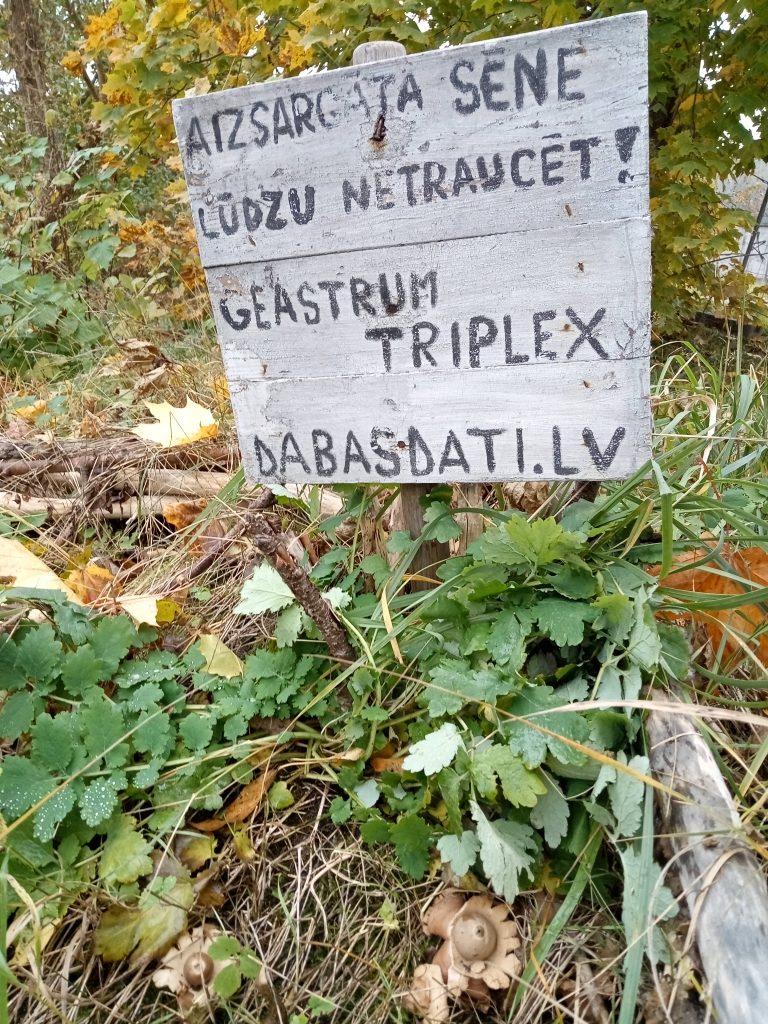
- Many protected species of animals (swans, bats, goshawks), fungi (geastrum triplex, xylaria polymorpha), and trees (black alder, hero trees) have been registered on DabasDati.lv, however these do not seem to be included in any official documents. Other species who make their home at Fukušima include foxes, beavers, hedgehogs, martens. ducks, coots, crows, nightingales, snakes, and various pollinating insects. It is urgent to competently assess the biodiversity of north Ķīpsala, in light of the intensive deforestation that is rapidly advancing in Fukušima’s direction.
- More than half of the land territory under Fukušima’s influence has been fenced off to prevent human disturbance.
4. Creating pocket parks
- The Rīga citizens’ Climate Assembly recommends: ”For the creation of parks, priority should be given to selecting degraded areas, which should first be cleaned up and prepared.”
- “The Riga Sustainable Development Strategy 2030 provides that before developing new, undeveloped territories, priority should be given to the revitalization and development of degraded and other already urbanized territories.”
- There are at least 5 locations on Matrožu iela that have been abandoned for decades, yet the environment is regularly disturbed by mowing and illegal waste disposal.
7. Inventory of green areas
- Map data from our immediate surroundings indicate a mixture of permanently green and permanently paved areas, which could be rehabilitated. While vegetative cover is increasing on our territory, it has significantly decreased in our vicinity.
9. Reviewing felling regulations / 20. Improving tree growth conditions and plantings
- ”The Nature Restoration Regulation sets two binding targets at city level: actual urban green areas, including water surfaces, and urban tree canopy projection. The urban tree canopy projection is the total area of tree cover in cities, towns and peri-urban areas, calculated on the basis of tree cover density data provided by satellite data.”
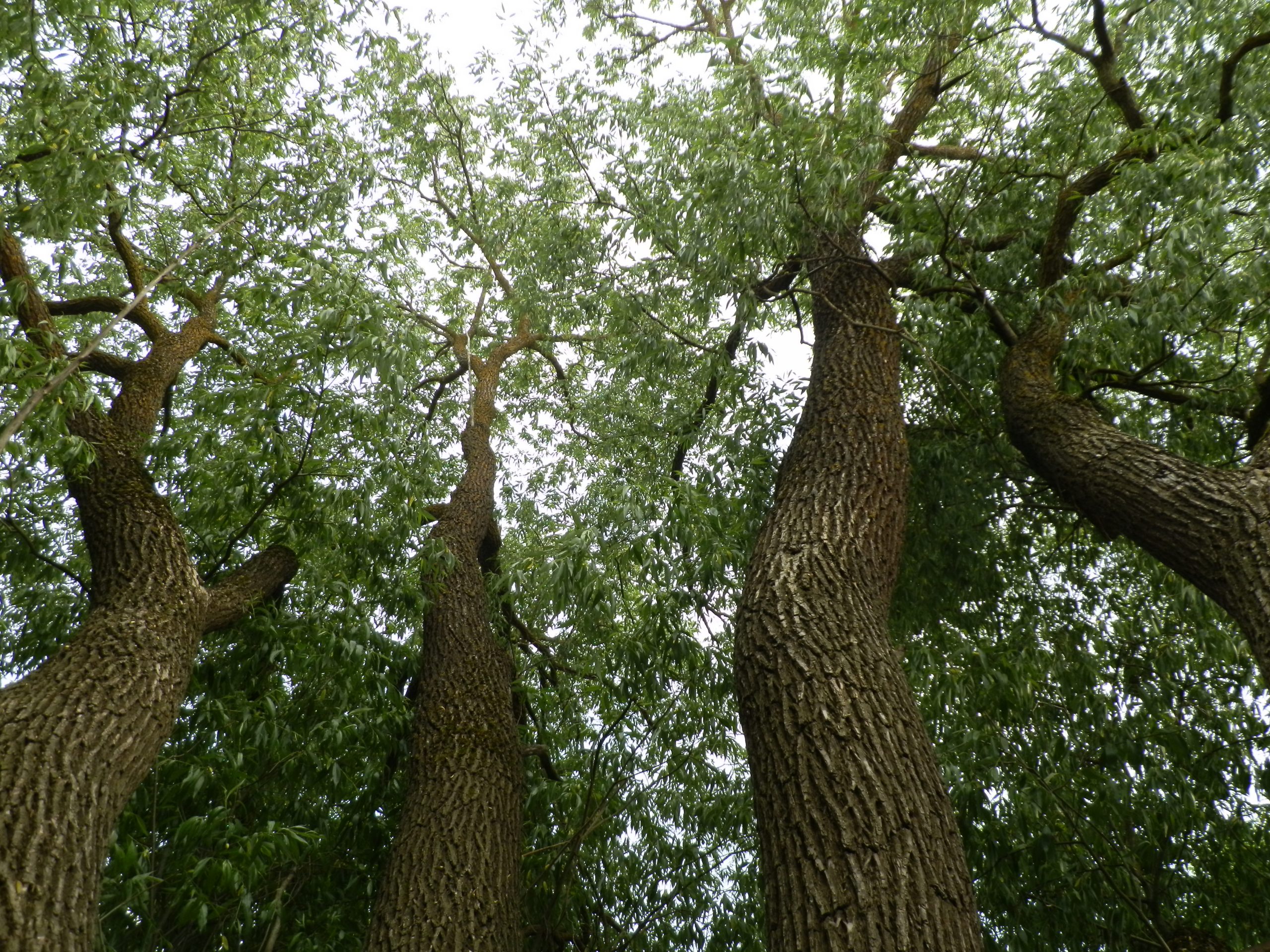
- ”Trees have a very wide range of ecosystems and in densely populated areas they are one of the most effective nature-based solutions to adapt to climate change, promote biodiversity and increase well-being. Trees, especially those that are several decades old, are of great value and need to be protected. Large trees provide essential ecosystem services – they not only regulate the city’s microclimate, are able to retain rainwater during heavy rainfall and maintain biodiversity, but also improve the mental and physical health of city residents and visitors. It is not possible to fairly determine compensation for the replacement of a large tree growing in the city centre. Young trees and saplings cannot replace trees that are several decades old, as they need a long time to grow large enough to provide the same ecosystem services as long-lived trees. Therefore, long-standing trees should be protected from being cut down as much as possible, and they should be provided with favorable growth conditions by renewing their ground cover and providing them with proper care. … According to the EU Nature Restoration Regulation, from 2031 onwards, tree canopy cover will have to increase, meaning that new trees will have to be planted to compensate for the area of tree canopy cover that has been cut down.”
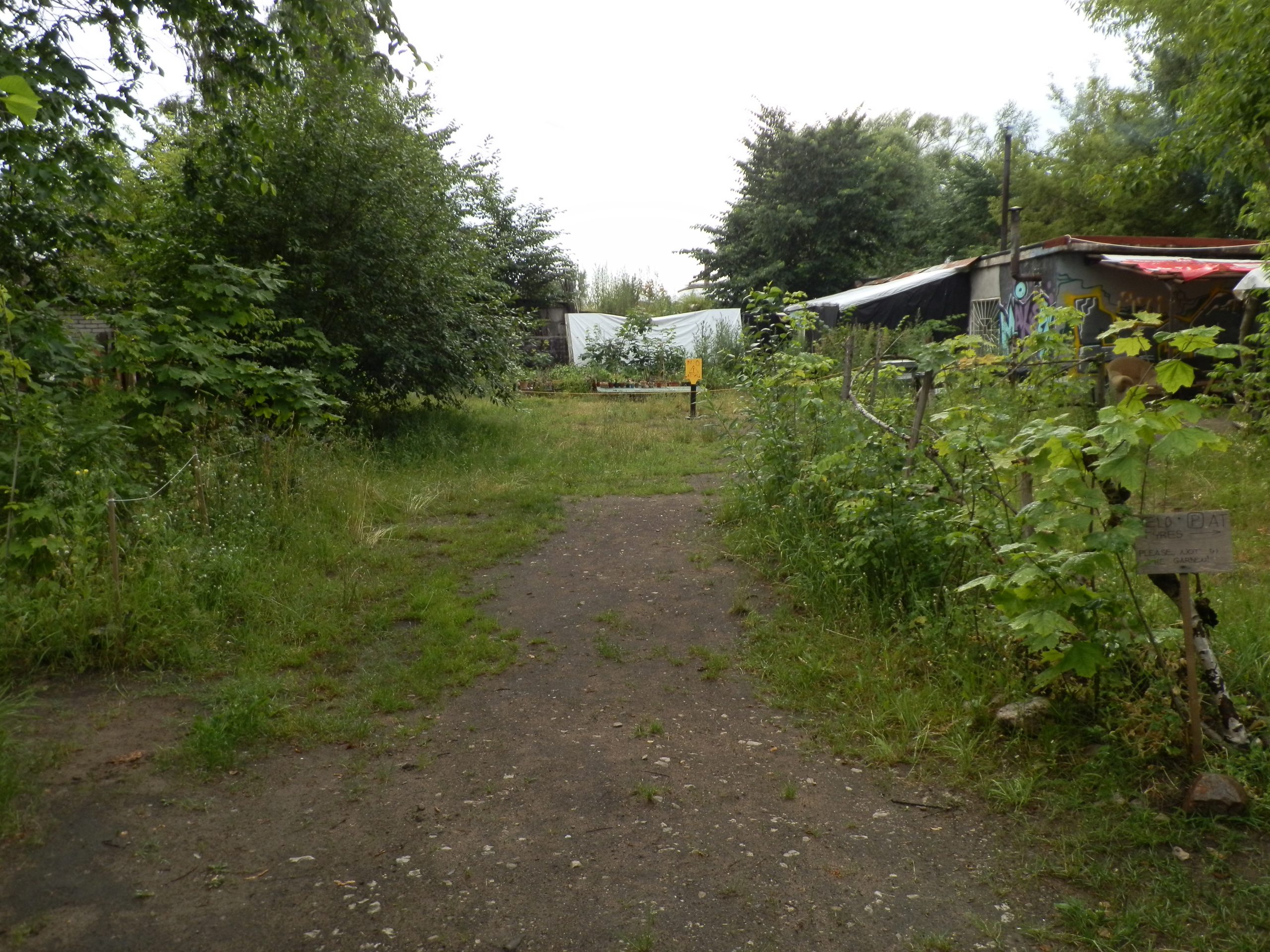
- At Fukušima, old trees have been fitted with fences to protect against beavers, while more than 100 new trees have been planted in formerly polluted wasteland.
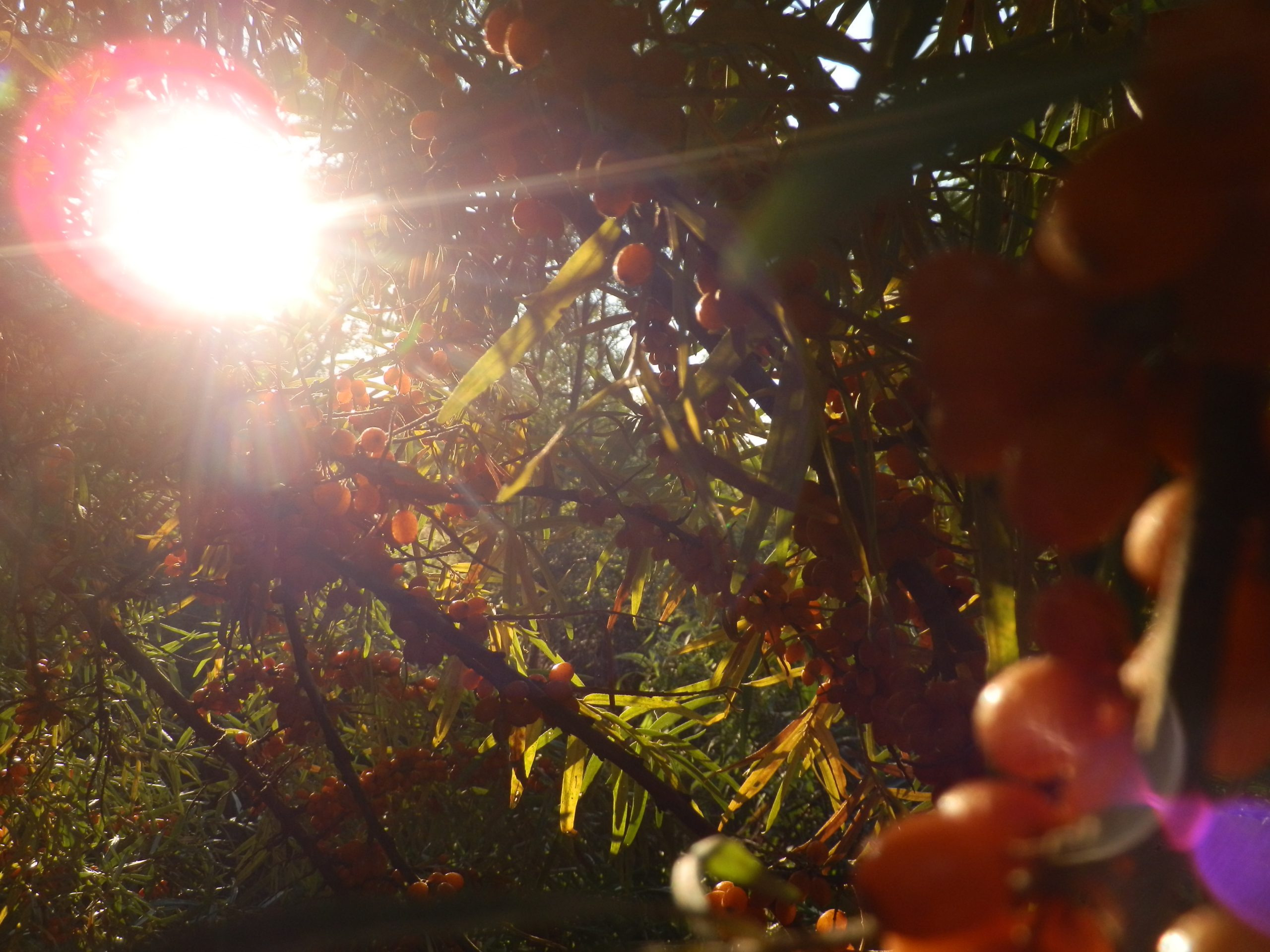
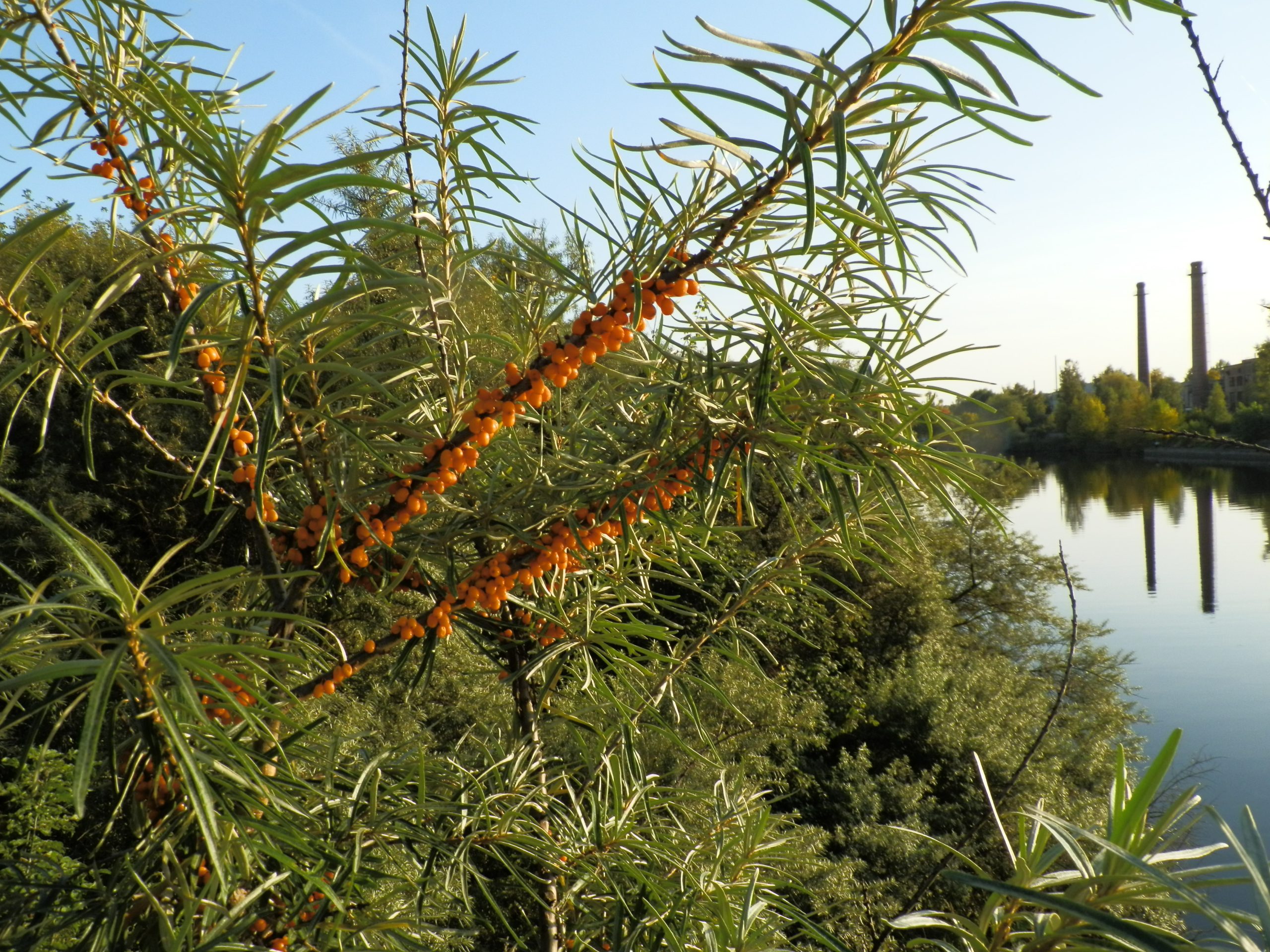
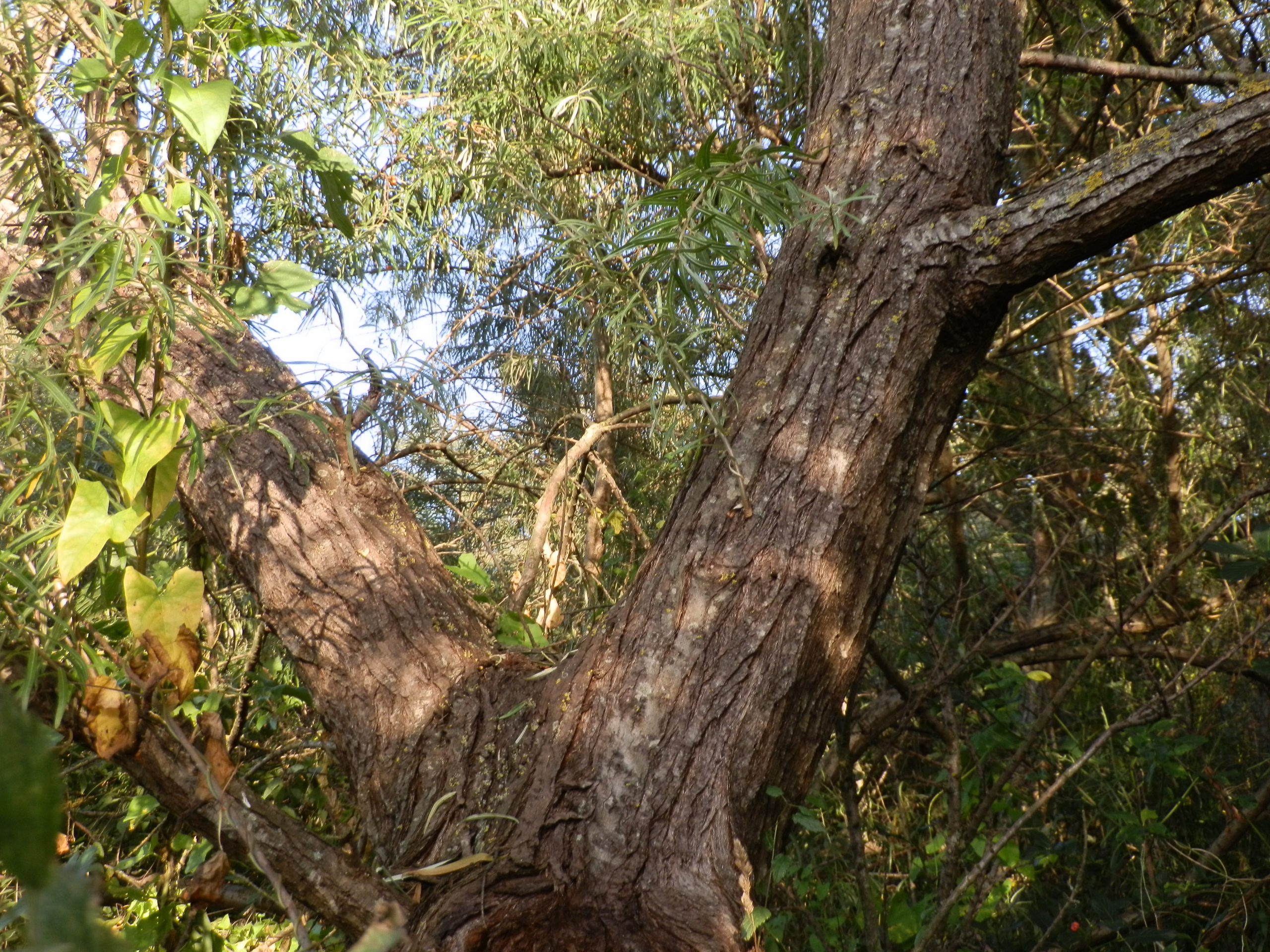
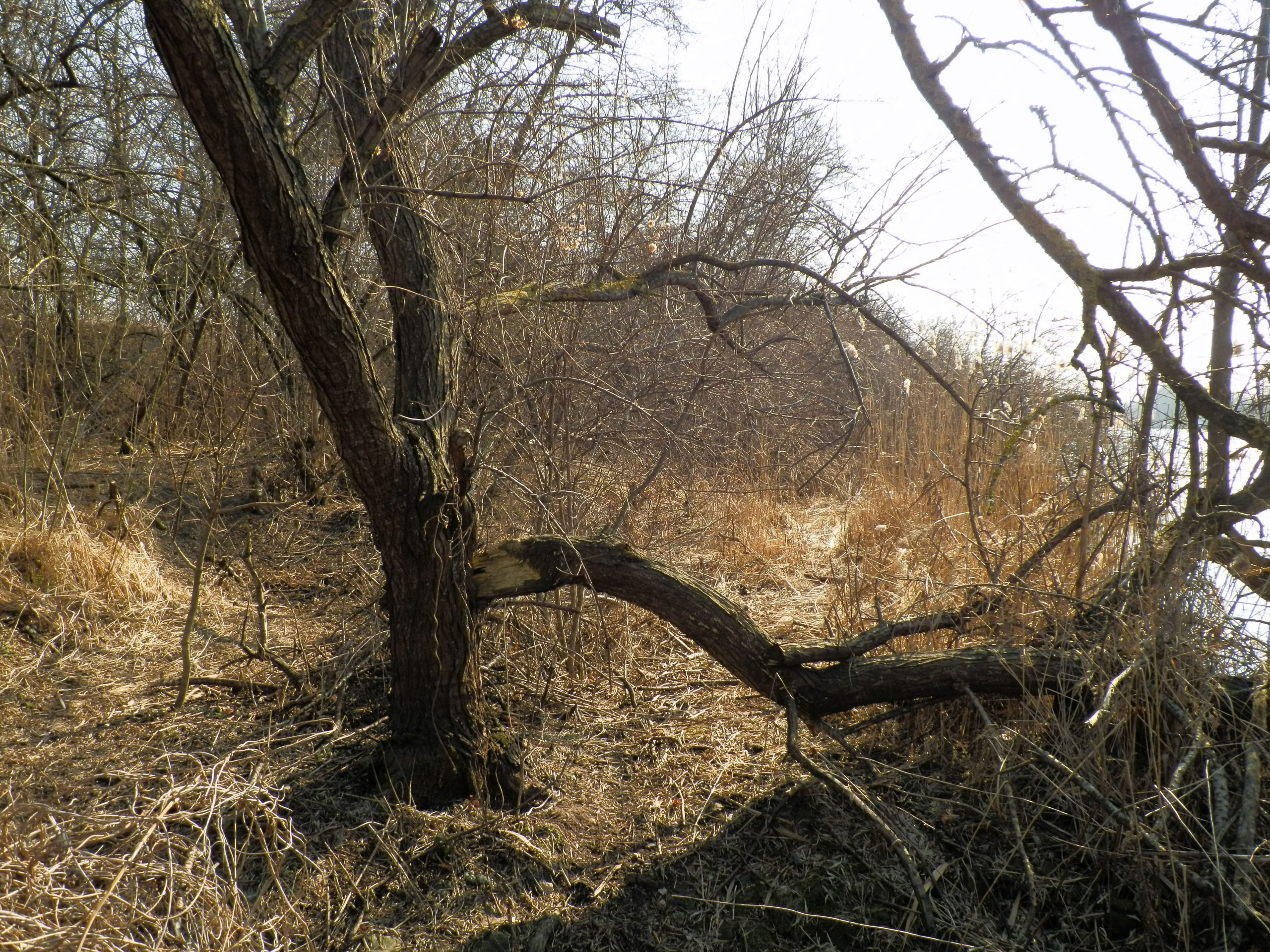
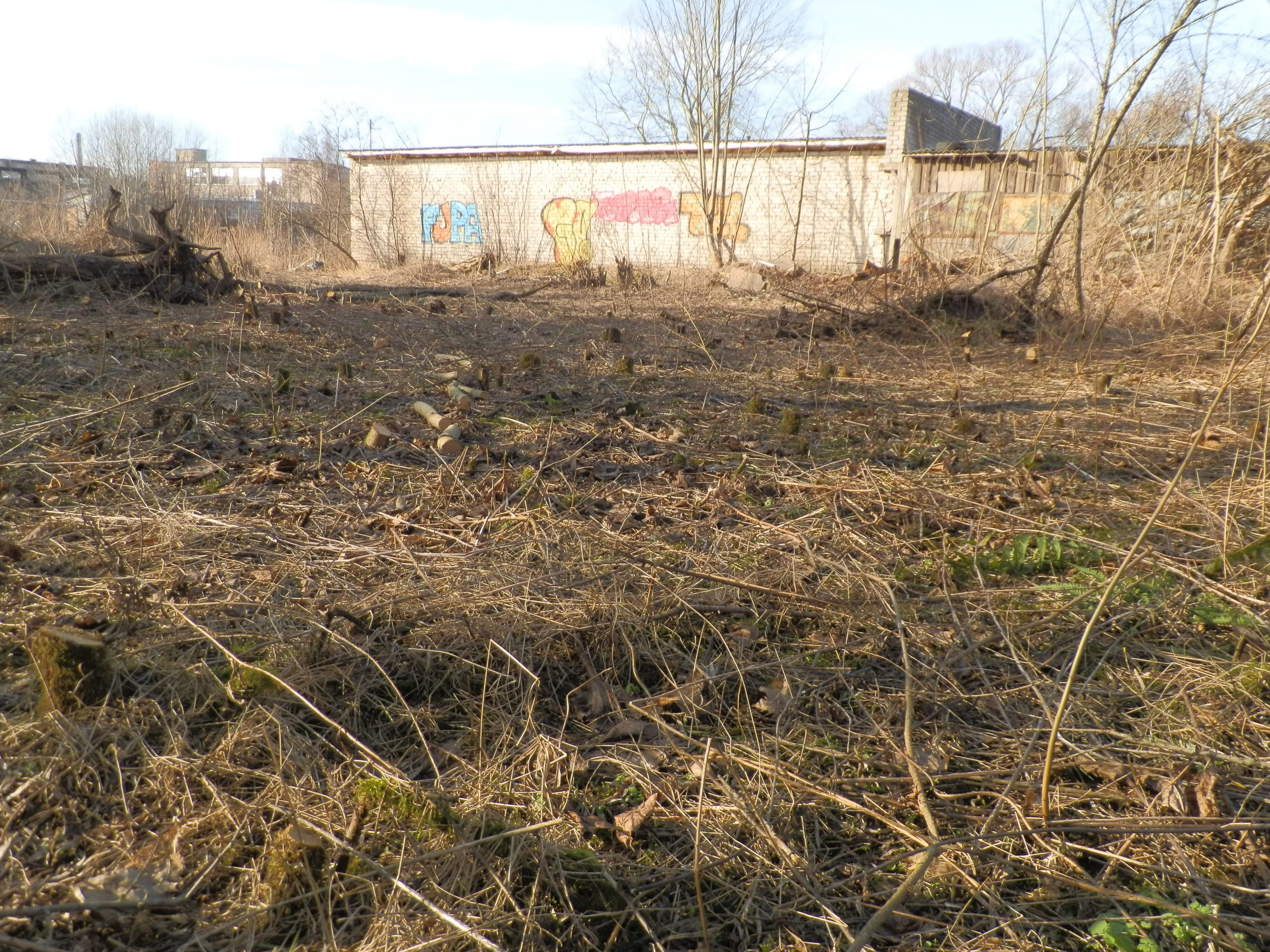
- Sea buckthorn, although not categorized as invasive, is often managed as if it were. Fruit trees are not protected in Latvia, and their importance as wildlife habitats, erosion remediators, soil builders, wind breaks, and keystones of gastronomical community-building is not currently recognized by any regulations. Fukusima’s neighborhood has suffered a catastrophic loss of sea buckthorn and apple trees who had no legal defense against greedy chainsaws and bulldozers.
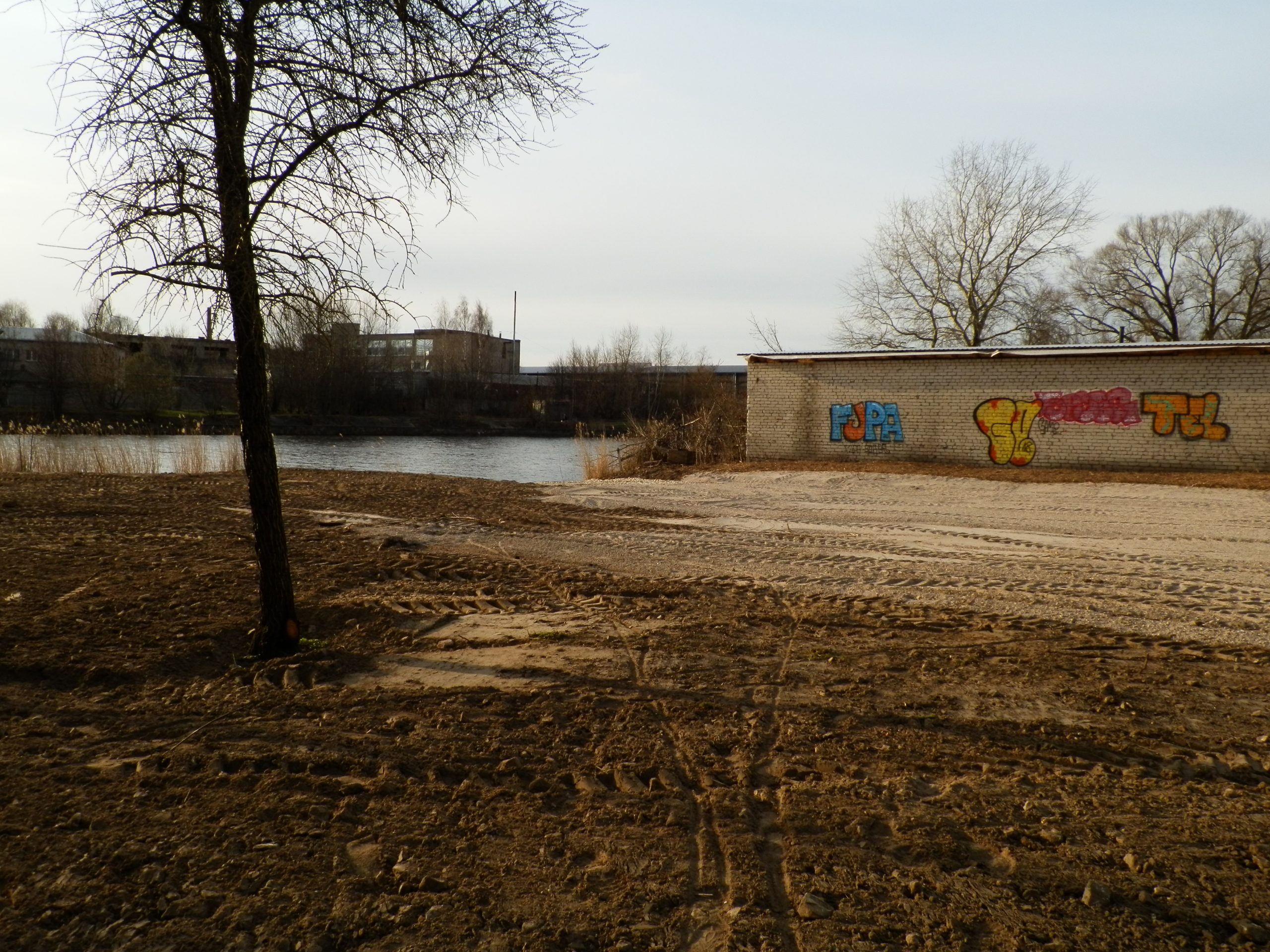
A neighbor territory that now serves as a camper caravan parking lot for foreign tourists, was formerly a 1 hectare jungle of sea buckthorn up to 10 meters tall. The largest of these trees had a circumference of 130cm. There was daily evidence that protected goshawks were hunting prey in the canopy, and depended on this habitat located only 300m from their nest.
For years, our volunteers quietly cleaned litter, trimmed dead branches, foraged berries and enjoyed the peace of this hidden forest, until it was destroyed in 2021. If Fukušima does not secure stewardship over our territory, no doubt many developers with a similar ”vision” are waiting in line to reduce the rest of the island to asphalt.
12. Data collection and analysis
- The city aims to “involve citizens in data collection (citizen science), creating data collection platforms (heat, floods, invasive plants).”
- Observations of protected species at Fukušima have been submitted to DabasDati.lv.
18. Combating invasive species
- “In Riga, currently the most important threat to biodiversity is various invasive species of animals and plants, so it is important to strengthen the city’s efforts to combat them.”
- “Owners of private lands are encouraged to combat invasive species on their properties.”
- At Fukušima, the invasive tree ošlapu kļava (acer negundo) is the focus of intensive mitigation efforts. New saplings are removed annually, while mature trees are carefully trimmed to allow the growth of local species, without reducing the total canopy cover.
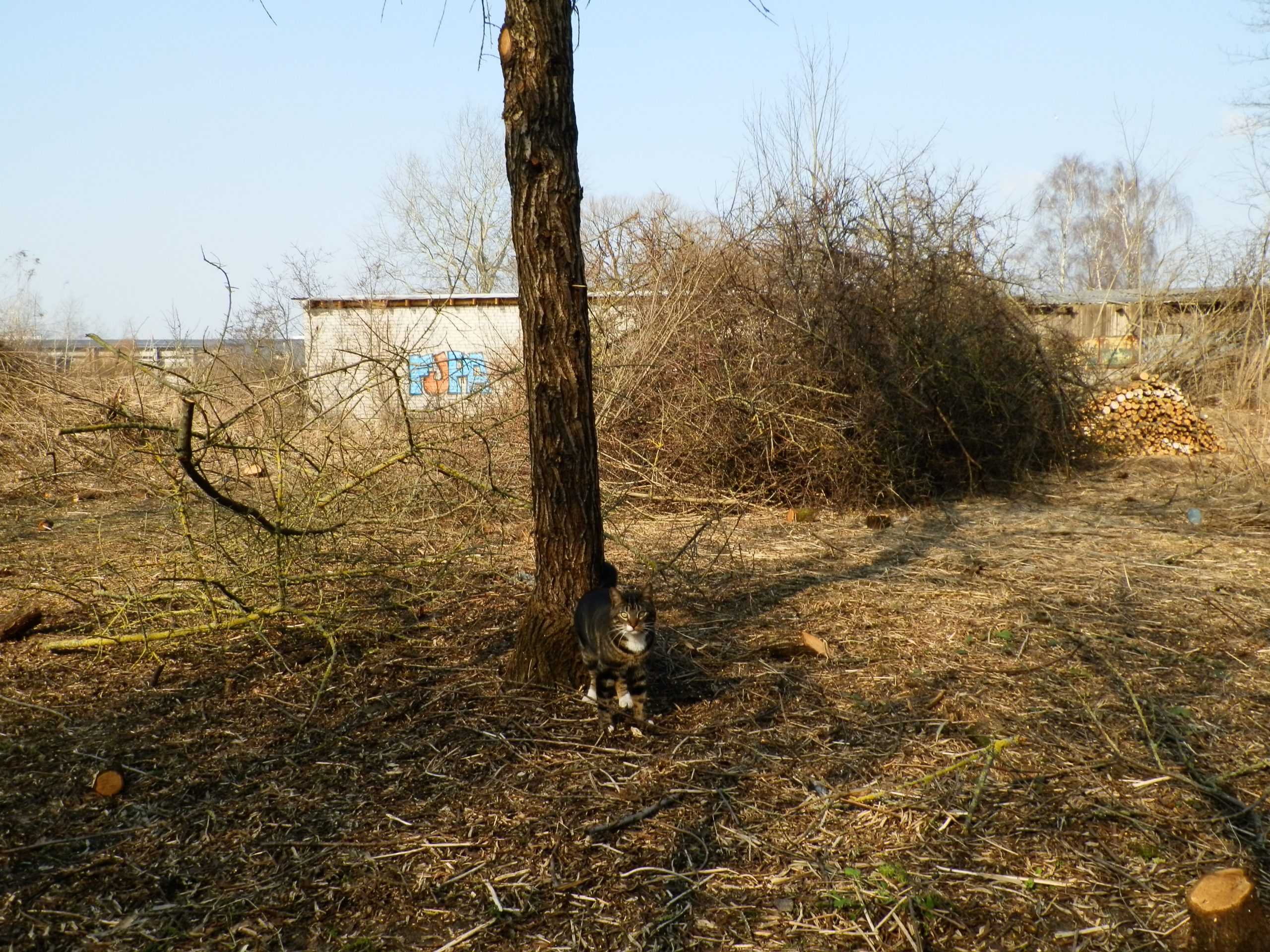
- Several neighborhood cats have their bellies filled by neighborhood restaurants and businesses, which allows bird populations to thrive without predation. Beavers, although not invasive, do require management in a terrain where it is impossible to dam the canal, in order to prevent irreversible loss of mature trees that fulfill vital ecosystem functions.
19. Creating urban compost
- The Greening Plan aims to ”increase the city’s ability to compost biodegradable waste and use it to improve the soil of urban green spaces to promote circularity in the management of urban green infrastructure.”
- At Fukušima, leaf and branch compost zones have been established to reverse waterfront erosion, provide habitats for hedgehogs and insects, and enhance tree growth.
25. Environmental and sustainability education
- One of the challenges to realizing the Greening Plan is ”lack of knowledge about nature-based solutions, underdeveloped practices, lack of experience and willingness to implement sustainable and nature-based solutions… In the context of the implementation of this plan, residents have a role in preserving existing green infrastructure and implementing new nature-based solutions both on municipal property and in private territories, which require action from the municipality.”
- Fukušima’s central location offers an opportunity to experiment, share results, and educate the public through direct interaction with a complex urban ecosystem.
Other goals mentioned in the report include:
Community gardens
- None exist on Ķīpsala, and none are located near the historic centre or Pārdaugava. The goal of urban food production can also be attained through innovative closed-loop / circular economy mushroom farming based on reducing local waste streams.
Rehabilitation of non-permeable (paved) surfaces
- “Replacing water-impermeable surfaces with surfaces that provide rainwater infiltration has been identified as a component of infrastructure projects in the Greening Plan.”
Waterfront restoration
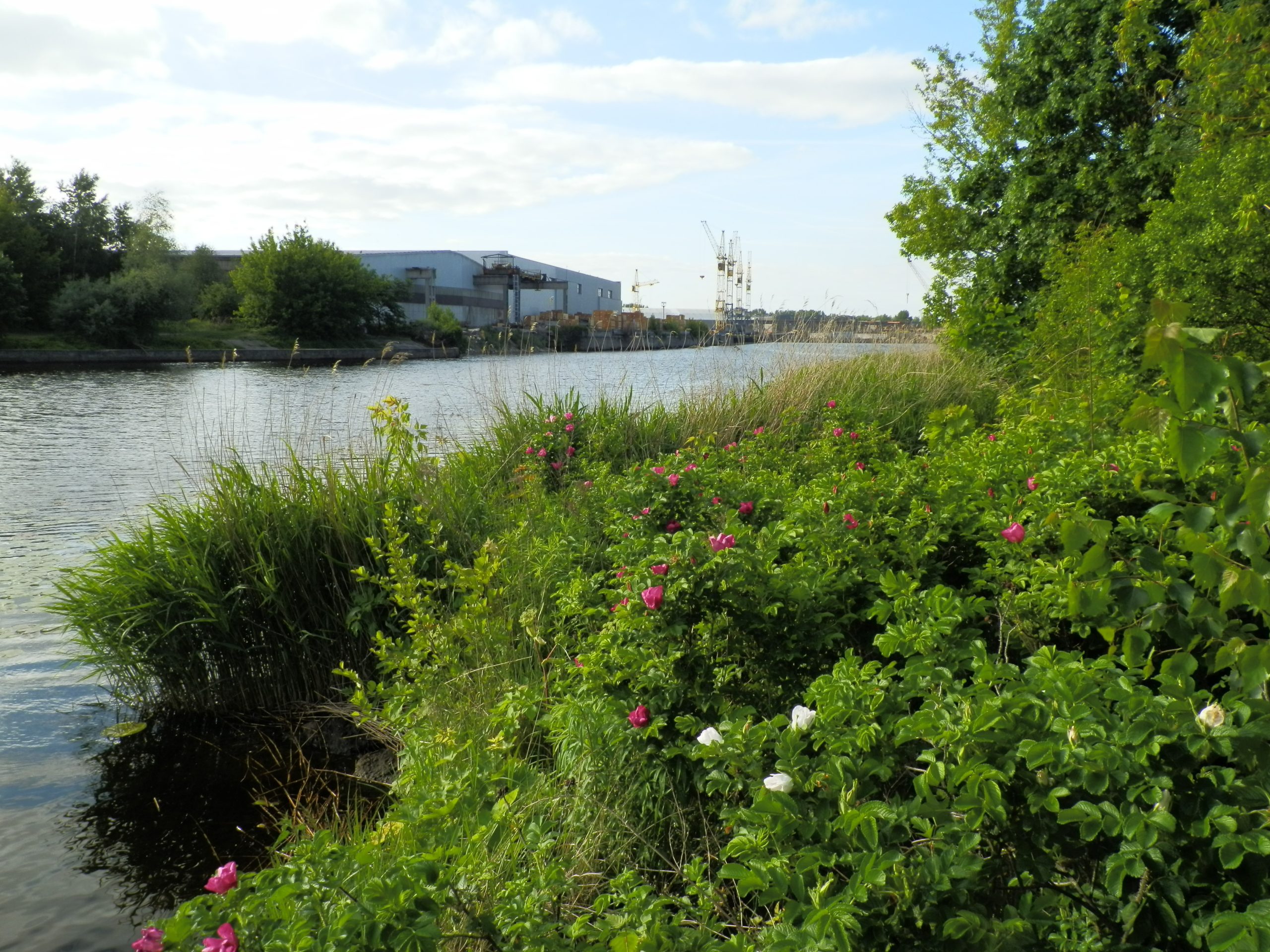
- “The renaturalization and rehabilitation of water bodies and watercourses can also make a significant contribution to reducing flood risk and environmental pollution. Waterfronts have great potential to become new green areas and improve the quality of life of city users.”
Green corridors
- “Another important factor in biodiversity is connectivity – connecting different green areas promotes the spread and movement of species in larger areas and, consequently, greater diversity.”
Flood mitigation
- “The wastewater treatment system is overloaded, with untreated wastewater flowing into open waters… In 2023, an emergency release was carried out 22 times, which means that untreated wastewater enters the Daugava and then the sea. Even if untreated wastewater is diluted with rainwater during heavy rainfall, it cannot be ruled out that the surrounding environment may be damaged and polluted. In addition, the common system also has storm overflow outlets, which automatically overflow in the event of heavy rainfall.”
- Fukušima borders a wetland about 1 hectare in size, that contributes to local flood mitigation. The existence if this semi-flooded meadow does not seem to be acknowledged in any official document.
Heat island mitigation
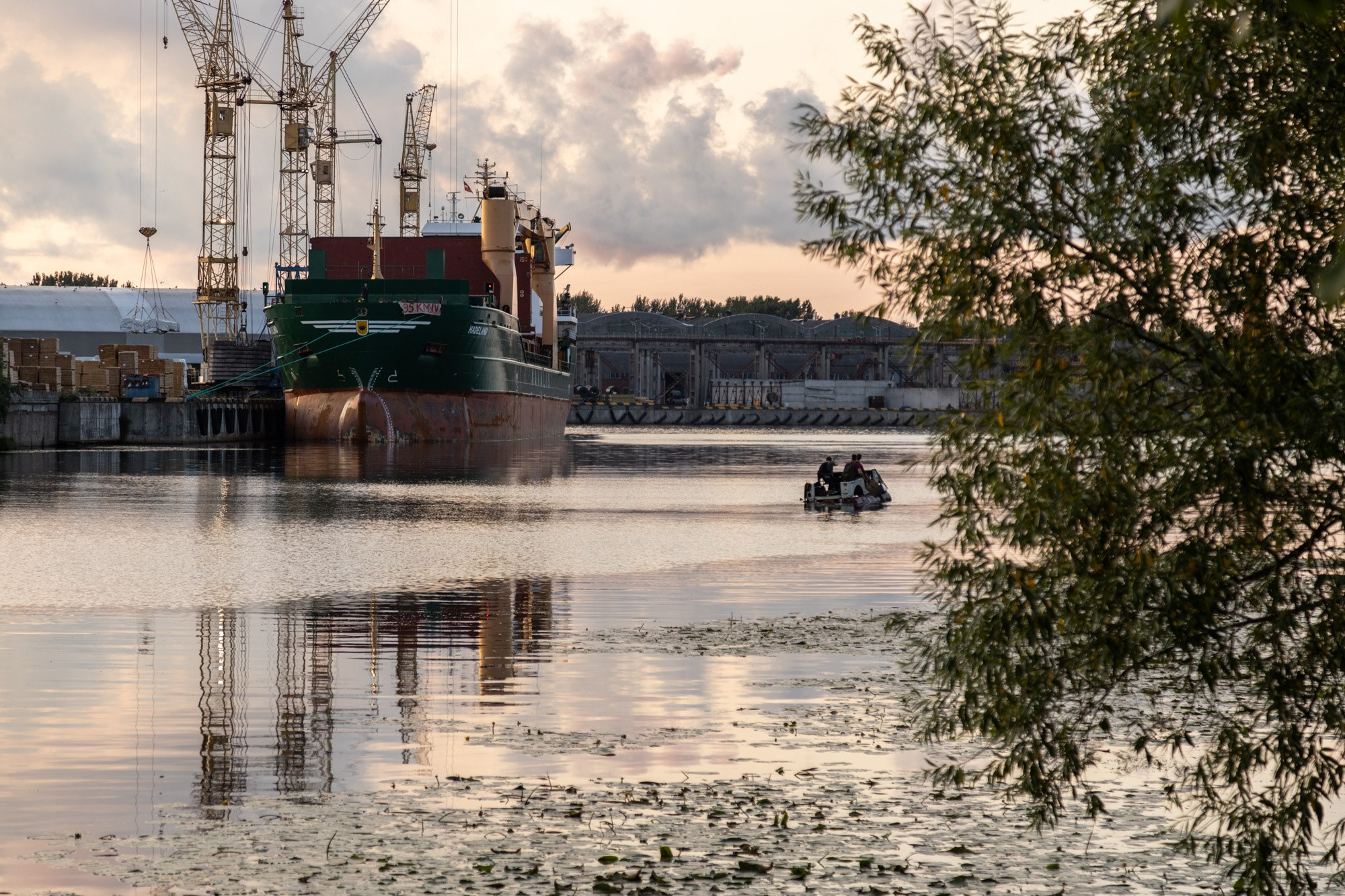
- Fukušima is located directly across the Zunds canal from Riga Free Port, one of the city’s severe heat islands identified in the Greening Plan, and one of the key ”problem territories” in need of ecosystem rehabilitation. Fukušima is also the green space that is nearest to the severe heat island located at RTU’s Ķīpsala campus and the International Exhibition Centre.
- During the heat waves of summer 2026, the temperature at Fukušima regularly measured 4°C cooler than the city centre.
Small elements for fauna to support biodiversity
- “These are various small elements in the urban environment that provide homes or feeding places for animals, promote biodiversity in the city, while giving city dwellers the opportunity to get to know wildlife and the processes taking place there. These elements include bird houses bat houses, insect hotels, butterfly gardens, leaf or compost piles for hedgehogs, as well as bird feeders, nectar plant/berry bush plantings that attract insects and birds.”
- All of the above have been implemented at Fukušima, and there is potential for much more.